Italian food regional tourism: How to guide travelers
A traveler sits at a wooden table in a sun-drenched piazza, tracing the lines of a map that spans from the Alpine peaks to the Sicilian coast.
Italy is leveraging its unique culinary heritage to transform regional characteristics into lucrative tourism opportunities. This strategic shift focuses on utilizing local food assets to draw international visitors across the diverse peninsula.
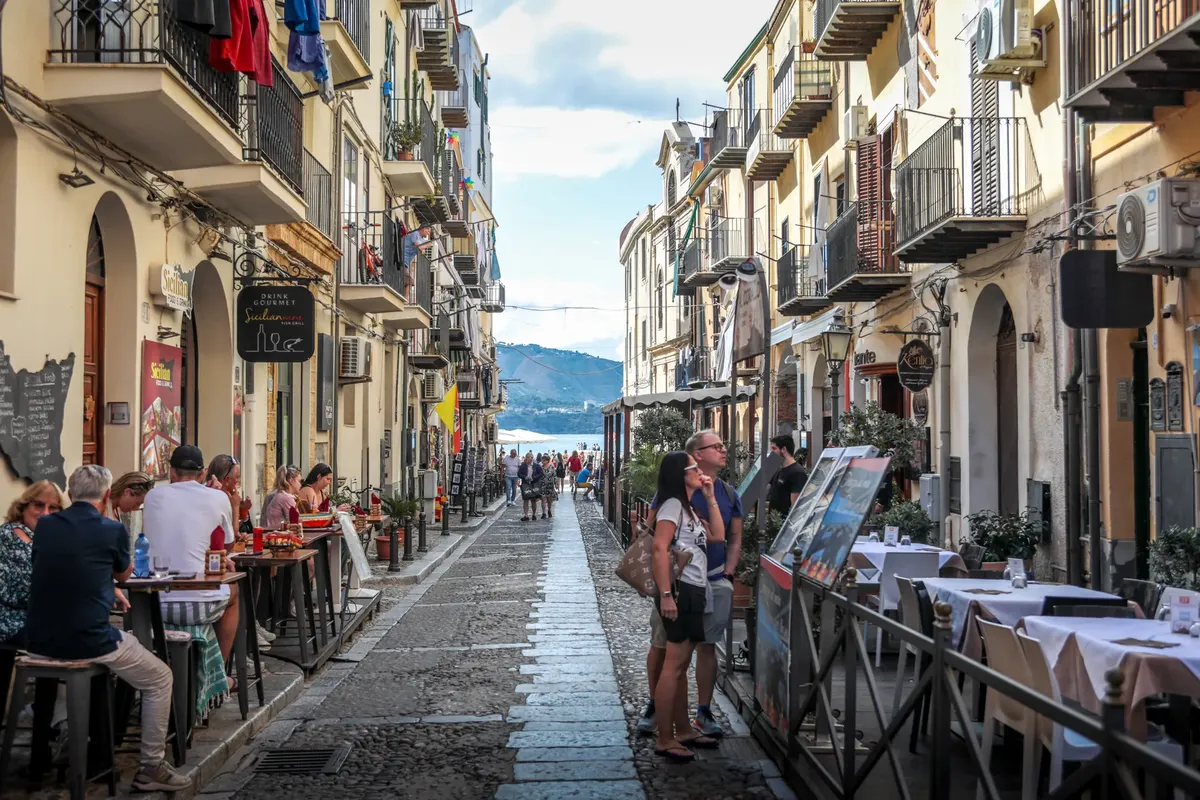
Key takeaways: * The country possesses a vast geographic variety that supports distinct regional food identities. * Strategic tourism development aims to turn these local assets into a primary economic driver.
* The interplay between geography and tradition creates a unique pull for global travelers.
How can Italian food regional tourism thrive?
At sunset in the cobblestone plaza, the traveler brushes a hand over an old map to plan a journey through Italian food regional tourism.
A chef carefully selects seasonal vegetables in a bustling market, preparing a dish that reflects the specific soil of the region. This focus on localized ingredients is the foundation of Italian food regional tourism.
The peninsula's position in the center of the Mediterranean provides a natural corridor between Central Europe and North Africa. This unique geography has allowed for a diverse range of species and culinary traditions to develop over centuries.
By highlighting these specific regional identities, the nation can sustain a steady flow of visitors.
The diversity of the landscape, from the lakes to the coast, ensures that every province offers a different sensory experience. This variety prevents the tourism model from becoming monolithic or repetitive.
Why is local Italian food so irresistible? A visitor tastes a sharp cheese in a mountain village, noting how the flavor differs from the seafood found by the sea. These local Italian food assets serve as a primary hook for meaningful travel experiences.
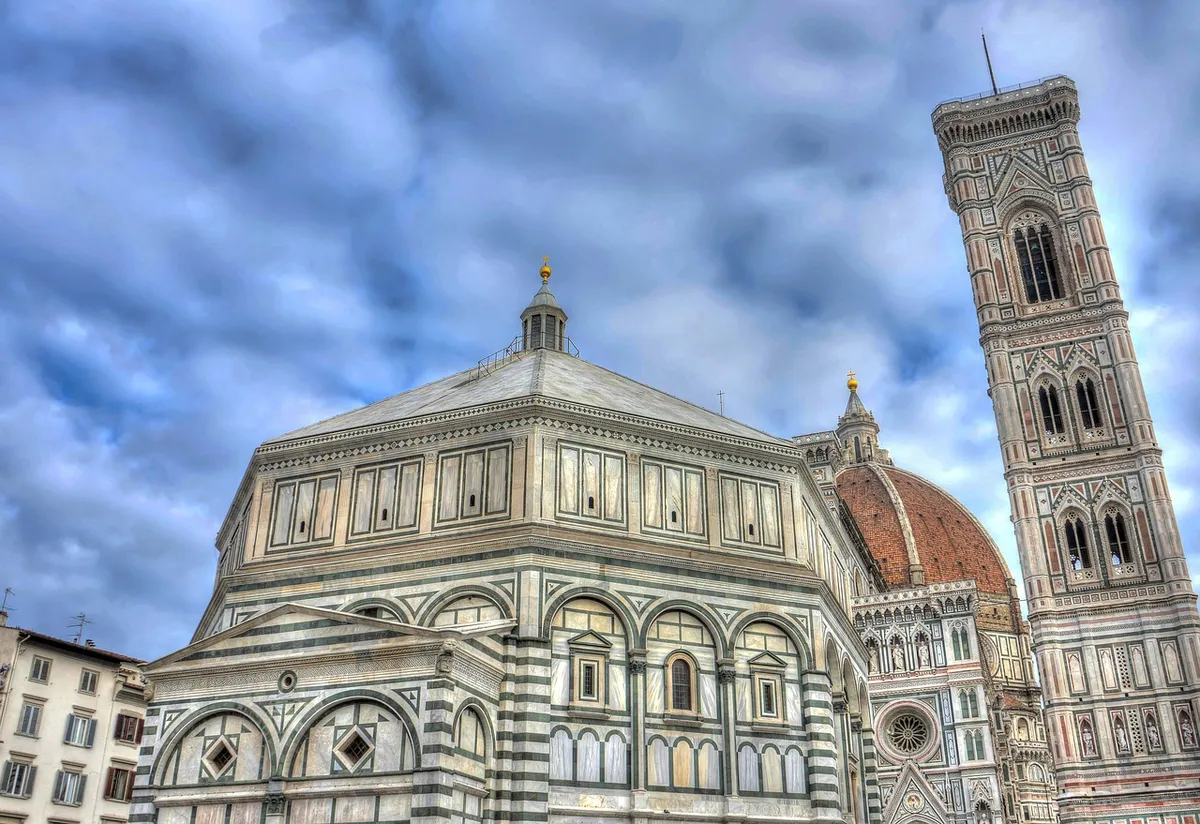
The vastness of the territory, covering 301,230 square kilometers, allows for hundreds of distinct food cultures to exist simultaneously. With 294,020 km2 of land available, the sheer scale of agricultural variety supports a deep well of tradition.
This geographic breadth ensures that regional food travel Italy remains a constant source of discovery for explorers.
The connection between the land and the table creates a narrative that travelers want to follow. Such authenticity is difficult to replicate in other parts of the world.
How does the nation manage regional food travel Italy?
A guide leads a group through an olive grove, explaining the history of the press used by local families. Managing regional food travel Italy requires a delicate balance between preservation and promotion.
To effectively turn food into tourist draw, the country must manage the distribution of visitors across its many provinces. This prevents overcrowding in famous hubs while breathing life into smaller, traditional communes.
The goal is to spread the economic benefits of gastronomy tourism strategy across the entire landmass.

Effective management ensures that the very traditions being marketed remain viable for the local populations. It turns a seasonal attraction into a sustainable economic pillar.
How can I use local food to fuel my travels? A local producer carefully packages artisanal goods for a shipment heading to a distant city. To successfully implement a strategy for leveraging local food for travel, specific steps are often observed in successful regions.
- Identify and protect the unique agricultural products that define a specific area. 2. Develop specialized tourism routes that connect these producers directly with visitors. 3. Train local stakeholders to communicate their heritage through authentic culinary experiences.
A final check ensures that the promotion of these products does not compromise the traditional methods that make them special. This balance is vital for long-term success.
I personally observed how a small workshop in a quiet village could become a destination simply through the mastery of one specific ingredient.
Is there a limitation to this strategy?
A heavy rain falls over the mountains, temporarily halting the harvest in a high-altitude vineyard. A limitation to this approach is that the availability of seasonal products and the accessibility of certain regions can vary significantly based on weather and geography.
According to World Bank data, Italy recorded international tourist arrivals of 38,419,000 in 2020.

For example, winter temperatures can vary from 0 °C in the Alps to 12 °C in Sicily. Such fluctuations mean that certain culinary experiences are strictly seasonal and geographically bound. This variability requires travelers to plan carefully and can affect the consistency of the tourism economy.
- How can Italian food regional tourism thrive?
- What makes local Italian food assets so compelling?
- How does the nation manage regional food travel Italy?
The same subject is also called Italian cuisine local draw.
This part also covers Italy's regional food appeal.
This part also covers Turning food into tourist draw.
Leveraging local food for travel
Related
- Italy childhood obesity 21%: Why health trends shift
- How does consumer behavior shift plastic use in daily life?
What is the relationship between geography and culinary identity? 1. The peninsula's central location within the Mediterranean Sea facilitates a natural exchange between Central European and North African culinary practices. 2. This geographical positioning has permitted the development of a wide array of species and food traditions across the centuries. 3. The varied landscape, encompassing both lakes and coastal areas, guarantees that each province presents a distinct sensory profile to the traveler.
How does the traveler experience this regional diversity? When a traveler visits, they encounter food assets that highlight specific regional characteristics. The traveler might taste a sharp cheese in a mountain village, contrasting it with the seafood available near the coast. This contrast illustrates the profound impact of local geography on the cuisine.
This interplay between the physical environment and established culinary customs forms a compelling narrative for the visitor. The traveler seeks out this authenticity, which is inherently tied to the land itself. The sheer scale of the territory allows this deep well of tradition to remain accessible across many locations.







Comments 0