Italy sports geographic assets: Tips for athletic tourism
"The landscape itself serves as a silent stadium, waiting for a strategic hand to turn its natural beauty into a sustainable engine for growth."
Italy is looking to leverage its unique terrain to create new financial opportunities through the sports sector. This strategy involves turning natural landscapes into high-value destinations for athletic tourism and events.
Key takeaways include the utilization of diverse climates, the importance of geographic scale, and the management of existing economic indicators to ensure stability.
How can Italy leverage its sports geographic assets?

A traveler stands on a sun-drenched peak in the Alps, looking down at the vast valleys that could host world-class cycling or trekking events. Utilizing Italy sports geographic assets requires a deep understanding of the varying terrains, from the rugged mountains to the expansive coastlines.
These natural features provide the perfect backdrop for diverse athletic pursuits.
The country's territory offers a massive playground for sports development. According to the provided data, the country's area is 301,230 square kilometres (116,306 sq mi), of which 294,020 km2 (113,522 sq mi) is land and 7,210 km2 (2,784 sq mi) is water.
This vast land area, combined with significant water bodies, creates a diverse range of environments for various sports.
The sheer variety of the landscape allows for a wide range of seasonal activities. An Italian administrator maps out the potential of the lakes and mountains to host international competitions.
This variety is essential for an Italian sports economic boost, ensuring that the country can host events year-round.
How can Italy's landscape boost the sports economy? Italy sports geographic assets A cyclist pedals through the winding roads near Lake Garda, feeling the wind and the shift in elevation. The natural geography provides a natural infrastructure for outdoor sports. This inherent quality makes the country a prime candidate for an Italian sports economic boost.
The variety of water bodies offers unique opportunities for rowing, sailing, and water sports. For example, the largest lakes are, in descending size: Garda (367.94 km2 or 142 sq mi), Maggiore (212.51 km2 or 82 sq mi), and Como (145.9 km2 or 56 sq mi).
These massive lakes serve as natural arenas for competitive water sports.
Strategic planning can turn these natural features into profitable hubs. By developing infrastructure around these lakes, the nation can ensure a steady flow of visitors. This approach focuses on turning geo assets sports profit by integrating natural beauty with organized athletic events.
According to World Bank, the 2025 record includes 0.5%.
How can I effectively manage geo-asset sports profits? A planner sits at a desk, sketching out routes that connect mountain passes to lakeside towns. Effective management requires balancing tourism with environmental preservation. Developing a sports-centric business plan can help manage these assets without compromising their natural integrity.
The diverse climate across the peninsula allows for seasonal variation in sports offerings. Winter temperatures vary from 0 °C (32 °F) in the Alps to 12 °C (54 °F) in Sicily; so, average summer temperatures range from 20 °C (68 °F) to over 25 °C (77 °F).
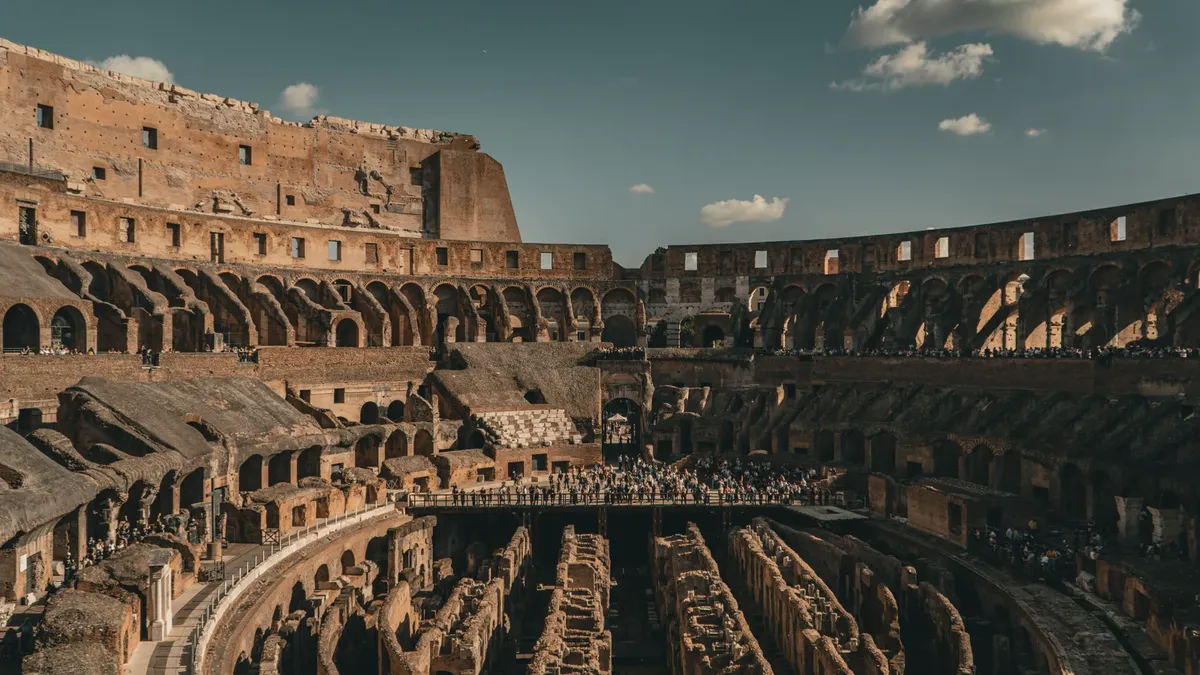
This range allows for a sports-centric business plan that spans from winter skiing to summer sailing.
To maximize the return on these assets, the country must focus on high-quality tourism. This involves creating specialized packages for different types of athletes. A well-executed sports geography business plan will integrate these diverse environments into a cohesive economic strategy.
How does a sports geography business plan work in practice?
A group of hikers prepares their gear at dawn, ready to traverse a scenic trail. Implementing such a plan involves identifying key locations and developing the necessary amenities. A professional sports geography business plan must account for the unique characteristics of each region.
The plan should capitalize on the specific terrain of each area. For instance, the mountain ranges offer different challenges than the coastal regions. This requires a tailored approach for each province to ensure that the local advantages are fully utilized.
A successful strategy involves building partnerships between local governments and sports organizations. By coordinating these efforts, the country can create a seamless experience for visitors. This collaborative effort is the cornerstone of turning sports assets into wealth.
What are the steps for turning sports assets into wealth?
An investor walks through a newly developed park, imagining the crowds that will soon arrive. To move from potential to prosperity, a structured approach is necessary. The following steps outline the transition from natural assets to economic gains:
- Identify and categorize high-potential geographic regions based on their unique terrain and climate. 2. Develop specialized sports infrastructure that complements, rather than disrupts, the natural landscape. standing
- Create marketing and logistical frameworks to attract international athletes and enthusiasts.
I observed how a single mountain pass can transform from a quiet road into a global racing venue through these steps. This process of leveraging Italian sports locations ensures that the natural beauty of the country becomes a sustainable source of income.
- Identify unique geographic features.
- Develop specialized sports programming.
- Implement sustainable infrastructure.
- In this sequence, the second step is the longest.
What are the limitations of this strategy?
A researcher reviews economic data, noting the complexities of national financial management. While the potential is vast, it is not without significant challenges. One limitation is the existing financial landscape, such as when national debt skyrocketed past 100% of GDP.
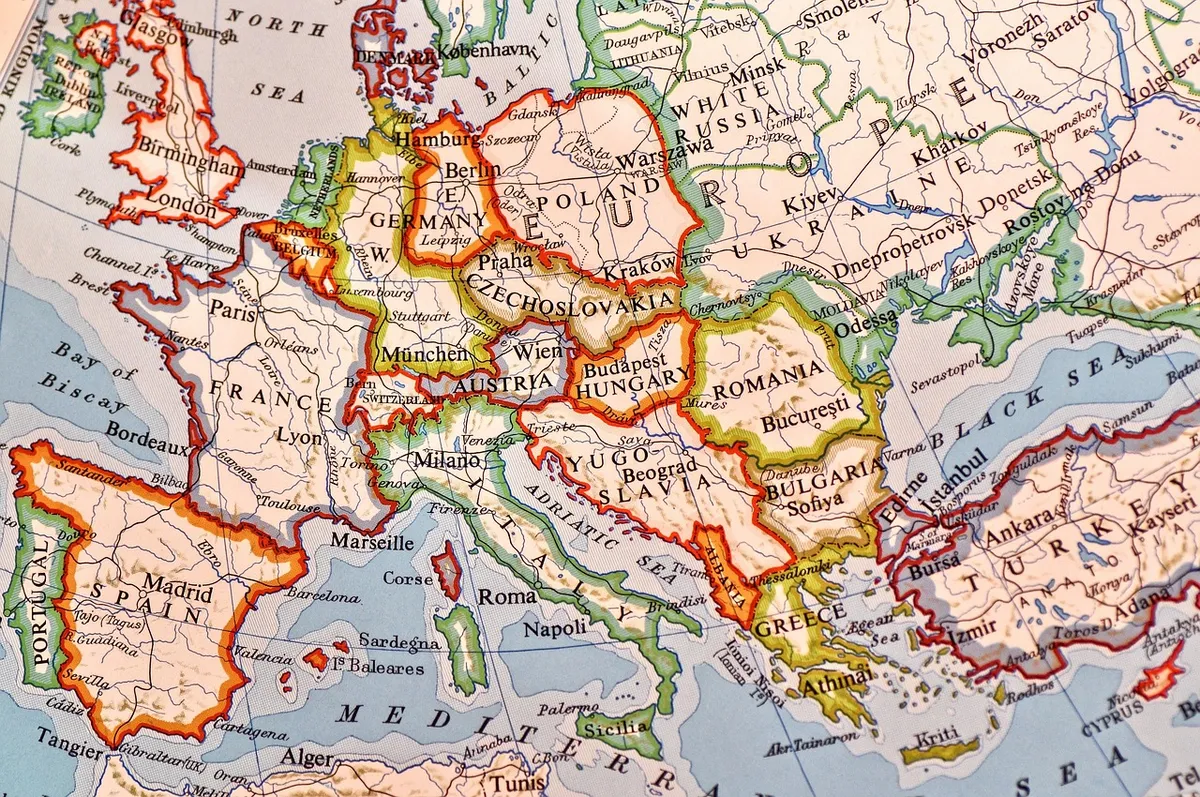
According to World Bank data, Italy recorded GDP growth of 0.5% in 2025.
The scale of the territory also presents logistical hurdles. Moving large-scale events across such a large area requires significant coordination. Additionally, the focus must remain on sustainable growth to avoid the pitfalls of over-tourism.
The economic context must be considered when planning large investments. While the natural assets are plentiful, the fiscal environment can influence the pace of development. Acknowledging these factors is necessary for a realistic strategic outlook.
The same subject is also called Italy sports investment strategy.
This part also covers Strategic sports geography for growth.
Related





Comments 0