How does consumer behavior shift plastic use in daily life?
"The European Union participates with 10% of the global total, around 150 000 tonnes of microplastics each year."
The implementation of zero-plastic policies across Europe has sparked a massive shift in consumer behavior and regulatory oversight. This transition addresses the growing threat of microplastic pollution, which presents significant environmental challenges.
Key takeaways include the rise of strict chemical restrictions, the impact of microplastics on domestic environments, and the necessity of global monitoring standards.
How does the zero plastic impact shape the regulatory landscape?
A scientist examines a glass vial containing tiny particles under a microscope in a brightly lit laboratory. This focus on microscopic debris drives the current push for legislative change across the continent.
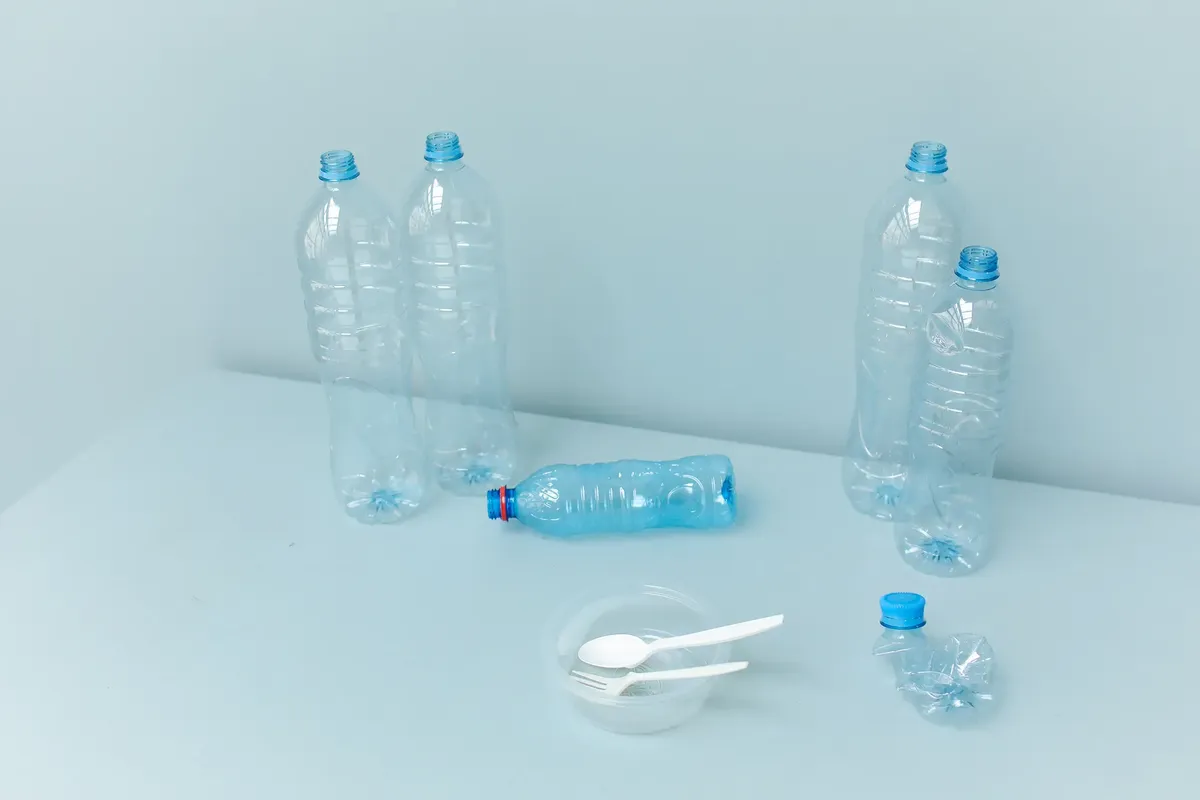
The regulatory environment is shifting to address the pervasive nature of synthetic particles. According to Wikipedia, the European Union participates with 10% of the global total, around 150,000 tonnes of microplastics each year.
Such significant volumes necessitate the type of legislative intervention seen in recent years.
The European Chemicals Agency (ECHA) proposed to restrict intentionally added microplastics in January 2019. This specific action aims to reduce the volume of particles entering the environment at the source.
Such measures reflect a growing awareness of how much plastic enters the ecosystem through industrial processes.
The plastic ban social reaction often centers on these specific regulatory shifts. By targeting intentionally added particles, authorities hope to mitigate the immediate spread of pollutants. This move sets a precedent for how governments handle invisible environmental threats.
What are the primary drivers for an italian eco policy effect?
A technician carefully collects water samples from a coastal area near the Mediterranean Sea. The salty air carries the scent of the ocean as the team prepares for field analysis.
The movement toward sustainability is driven by the realization of how deeply plastics have permeated natural systems. In 2017, more than eight million tons of plastics entered the oceans, which was greater than 33 times as much as the total plastics accumulated in the oceans by 2015.
This staggering figure highlights the urgency of the mission.
The italian eco policy effect is often a response to these massive oceanic influxes. Policies are designed to prevent such quantities from reaching the water in the first place. The scale of the problem requires both local and international cooperation.
A consumer shift plastic use is often motivated by the visible and invisible damage to marine life. As these policies take hold, the focus shifts from large debris to the microscopic particles that threaten the entire food chain.
This shift represents a fundamental change in how societies value natural resources.
How does consumer behavior shift plastic use in daily life?
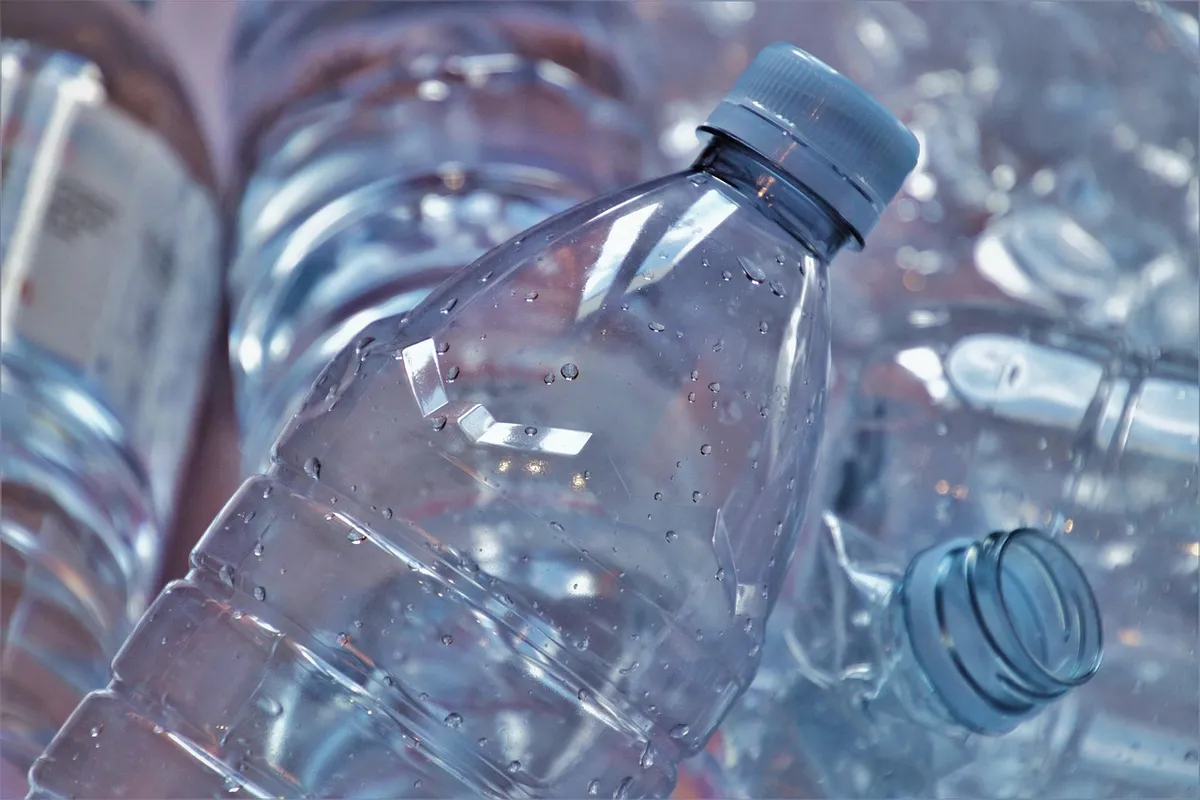
A person stands in a laundry room, holding a synthetic fleece garment while looking at a washing machine. The hum of the machine fills the small space as they contemplate the environmental impact of their chores.
Daily activities, such as washing clothes, contribute significantly to the microplastic problem. Each garment in a load of laundry can shed more than 1,900 fibers of microplastics, with fleeces releasing the highest percentage of fibers—over 170% more than other garments.
This reality forces a reevaluation of household habits.
The occurrence of these types of fibers in households has been shown to represent 33% of all fibers in indoor environments. This means that the zero waste policy social change is not just about the ocean, but also about the air we breathe and the surfaces we touch.
Indoor air quality is increasingly linked to these synthetic particles.
I noticed during my own laundry routine that switching to natural fibers felt like a direct response to these findings. A person must balance convenience with the growing responsibility of managing household waste. This transition is a slow but necessary adjustment to new environmental realities.
What are the specific risks of microplastic-related environmental laws?
A researcher carefully pours liquid from a bottle into a testing apparatus in a sterile cleanroom. The precision of the tools highlights the delicate nature of the task. According to the European Chemicals Agency, a proposal to restrict intentionally added microplastics was made in January 2019.
The complexity of managing these particles is one of the primary challenges for policymakers. Primary microplastics include any plastic fragments or particles that are already 5 mm in size or less before entering the environment.
Because they are so small, they are difficult to contain once released.
The government plastic regulation impact is often complicated by the diverse ways these particles enter the world. For example, 2–5 mm plastic pellets, used to create other plastic products, enter ecosystems due to spillages and other accidents.
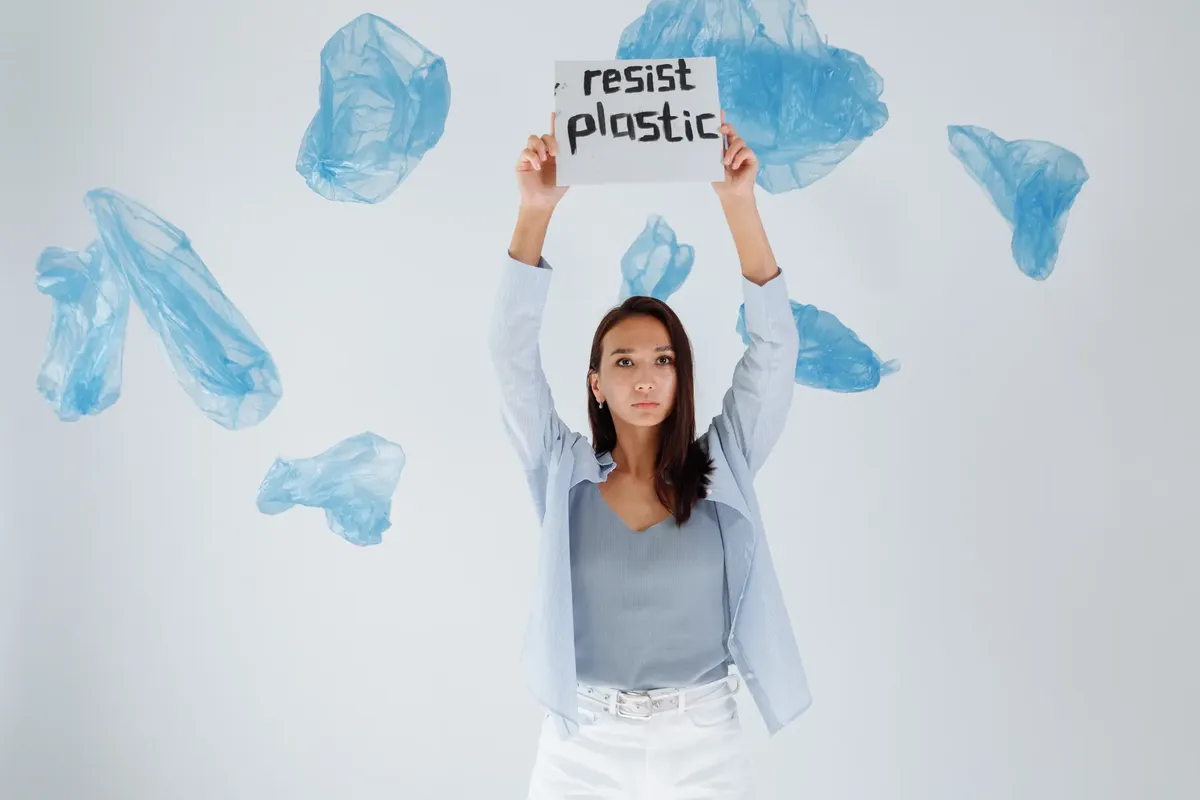
These pellets represent a direct link between industrial production and environmental contamination.
Understanding these risks is essential for developing effective laws. Without clear definitions and monitoring, the zero waste policy social change might face significant hurdles in implementation.
The goal is to create a framework that addresses both large-scale industrial spills and microscopic domestic shedding.
How do we monitor the presence of microplastics?
An oceanographer deplists a specialized sensor into the deep blue waves of the Mediterranean. The sun reflects off the water as the device descends into the depths.
According to The Environment Ministry, a number of recommendations for methods to monitor microplastic quantities in the ocean were proposed in 2018.
Developing methods to track these particles is a top priority for environmental agencies. The Environment Ministry has also proposed a number of recommendations for methods to monitor microplastic quantities in the ocean. These methods are crucial for assessing the success of new policies.
Effective monitoring requires a combination of high-tech equipment and standardized protocols.
In April 2018, the European Commission's Group of Chief Scientific Advisors commissioned a comprehensive review of the scientific evidence on microplastic pollution through the EU's Scientific Advice Mechanism. This review provides the scientific foundation for current and future monitoring efforts.
The ability to detect nanoplastics is another growing area of research. A study published in 2024, capable of detecting nanoplastics, found 240,000 fragments per liter: 10% between 5 mm and 1 μm and 90% under 1 μm in diameter.
This level of detail is necessary to understand the full scope of the contamination.
What are the limitations of current zero plastic strategies?
A policy analyst sits at a desk, reviewing a thick stack of reports under a desk lamp. The quiet room is filled with the sound of turning pages as they look for gaps in the data.
While policies are being implemented, they cannot solve the problem overnight. A significant limitation is the existing volume of plastics already present in the environment. Even with a total ban on new microplastics, the particles already in the ocean and soil will continue to circulate.
The scale of contamination makes it difficult to achieve immediate results. For instance, in 2019, plastic world production was 368 million tonnes; 51% were produced in Asia.
This massive global production volume means that even localized European policies face the challenge of globalized plastic movement.
Current efforts are also limited by the varying levels of detection technology. While we can now detect much smaller particles, the sheer volume of different types of plastics makes comprehensive monitoring a constant struggle.
The success of these policies depends on their ability to adapt to new scientific discoveries.
- How does the zero plastic impact shape the regulatory landscape?
- What are the primary drivers for an italian eco policy effect?
- How does consumer behavior shift plastic use in daily life?
Related







Comments 0