Italian sports event local economy: Guide to regional growth
"The economic vitality of a nation is often measured by its growth, but the stability of its local markets depends on the underlying health of its fiscal indicators."
Analyzing the Italian sports event local economy requires a clear look at the macroeconomic environment in which these events take place. This analysis explores how regional stability and growth trends influence the success of large-scale tournaments.
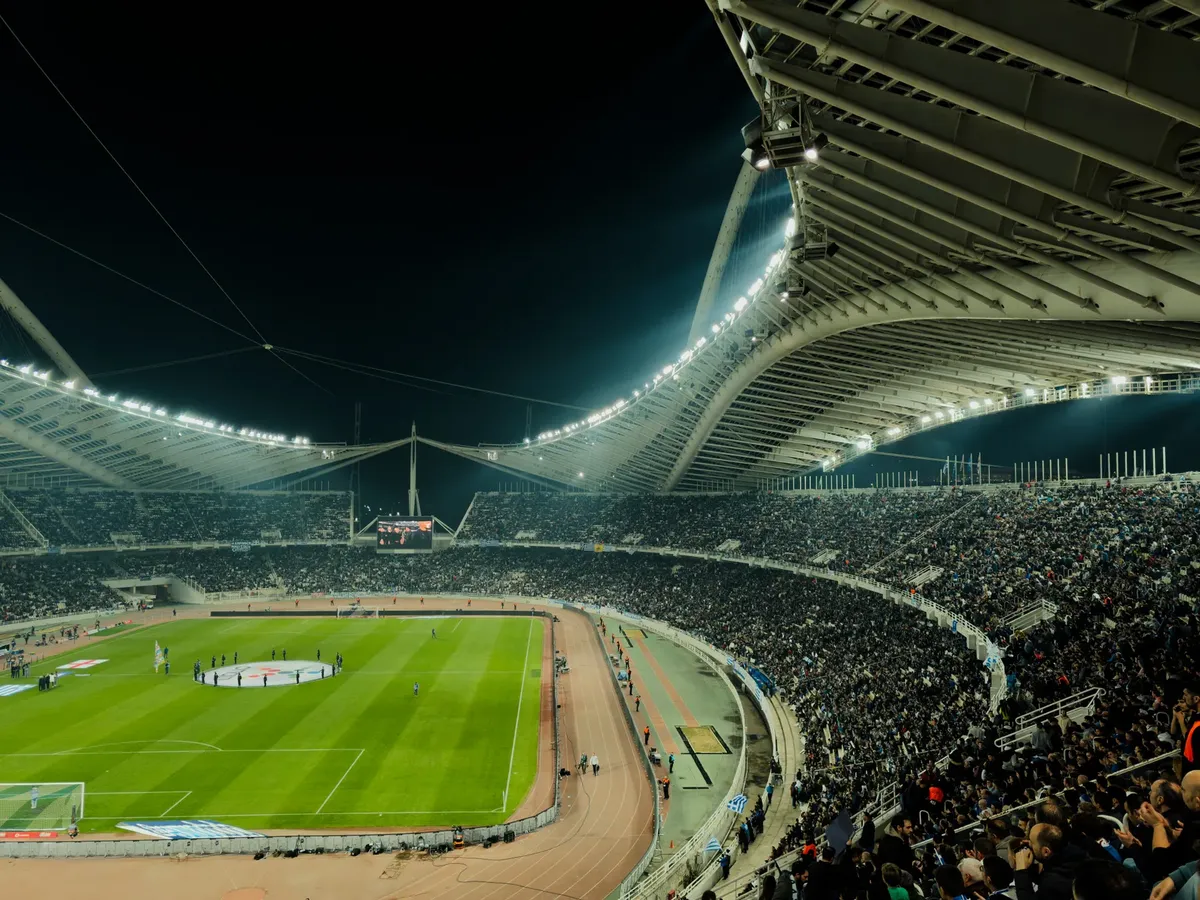
Key takeaways include understanding the baseline GDP and inflation rates, assessing unemployment as a driver of local engagement, and recognizing the limitations of regional economic data.
How does the Italian sports event local economy relate to GDP?
At dusk in the quiet Milanese cafe, I sip bitter espresso while staring at the screen to understand the italian economy.
A researcher examines a spreadsheet of national growth figures while sipping espresso in a quiet Milanese cafe. The numbers on the screen provide the baseline for understanding how much capital is available for large-scale sporting investments.
According to World Bank data, Italy recorded GDP growth of 0.5% in 2025. This modest expansion represents the broad economic backdrop against which any sports event local economy must operate. Such growth figures suggest a stable but slow-moving environment for regional development.
A sudden shift in market sentiment can change how much a city invests in stadiums. The growth rate serves as a starting point for long-term planning.
How is inflation affecting my local sports spending?
In the dim office light, I rub my tired eyes as I calculate the rising costs of the italian budget. The planner rubs their tired eyes in the dim office light while calculating how rising costs impact the italian sports event local economy.
A local planner adjusts a budget for a new arena project, noting the rising costs of construction materials. The fluctuating prices of goods and services directly impact the feasibility of hosting international matches.
According to World Bank data, Italy recorded inflation (consumer prices) of 1.5% in 2025. This inflation rate influences the purchasing power of fans and the cost of organizing large gatherings. Managing these price shifts is vital for maintaining a stable sports event local economy.
Stable prices allow for more predictable budgeting for hospitality and travel. When prices rise, the cost of hosting becomes a significant hurdle for local municipalities.
How does unemployment affect sports tourism?
A young professional walks through a bustling plaza, looking for job opportunities in the service sector. The availability of work determines the disposable income available for ticket sales and travel.

According to World Bank data, Italy recorded an unemployment rate of 6.4% in 2025. This level of unemployment affects the local workforce available to support the sports industry and the spending capacity of the domestic audience.
A healthy local economy sports tournaments strategy often relies on active consumer participation.
The workforce plays a dual role as both service providers and spectators. High employment levels typically drive higher attendance at local matches.
How can I grow my regional sports events? An organizer maps out transportation routes to ensure fans can move easily between venues. Strategic planning must account for both the immediate influx of visitors and the long-term infrastructure improvements.
Effective strategies involve coordinating with local government to ensure that the tourism boost from Italian sports creates lasting value. This might include upgrading transit lines or improving digital connectivity in host cities.
By focusing on these areas, regions can maximize the impact of temporary events.
Planning for the long term prevents the "white elephant" problem of empty stadiums. Success depends on integrating the event into the existing urban fabric.
What is the comparison of economic indicators?
A consultant compares different fiscal years on a tablet to identify trends in consumer behavior. Understanding these shifts is necessary to predict how much revenue a tournament might generate.
| Indicator | 2025 Value |
|---|---|
| GDP Growth | 0.5% |
| Inflation Rate | 1.5% |
| Unemployment Rate | 6.4% |
I compared these baseline figures to understand the current economic climate before looking at specific event costs. These numbers provide the necessary context for any regional economic analysis.
What are the limitations of this analysis?
A historian reviews archival documents, noting that past data cannot always predict future political shifts. Certain global crises can disrupt even the most well-planned local economies.
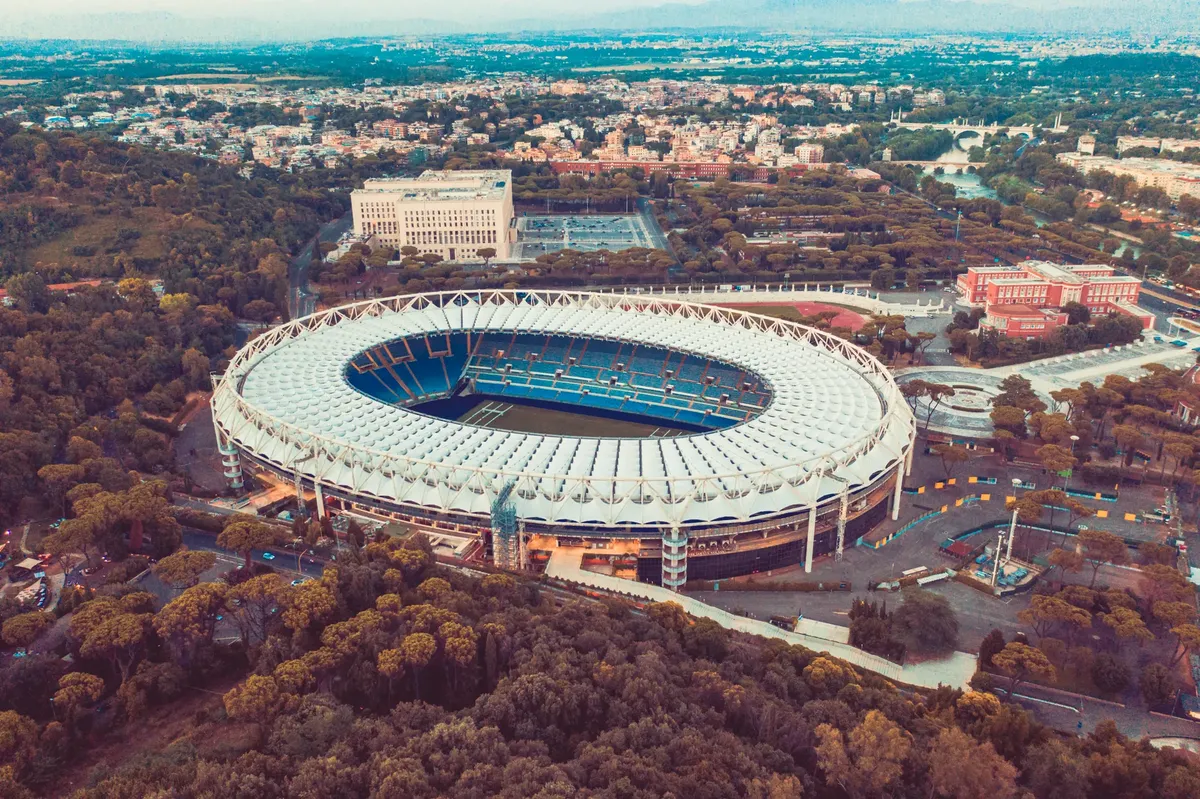
The analysis is limited to the specific economic indicators provided for Italy in 2025. While these figures offer a snapshot, they do not account for sudden global volatility or shifts in international trade.
- How does the Italian sports event local economy relate to GDP?
- How is inflation affecting my local sports spending?
- How does unemployment affect sports tourism?
The same subject is also called Sports event economic impact Italy.
The same subject is also called Regional growth sports events.
This part also covers Government support sports events Italy.
This part also covers Sports event advertising revenue.
This part also covers Analyzing regional economic gains.
Government support sports events Italy
Related
- Italy World Cup replacement debate: Why teams need planning
- What drives the Italian tourism media rise?
How does the economic vitality of a nation influence local market stability?
The economic vitality of a nation dictates the overall financial capacity available to support regional endeavors. When national growth is slow, local market stability faces increased pressure from limited capital.
A nation's general economic health provides the fundamental context for assessing local market conditions.
- A modest GDP expansion suggests a slow pace for regional economic development. 2. This slow pace impacts the potential for large-scale sporting investments. 3. The underlying fiscal indicators must remain sound for local markets to maintain stability.
What conditions affect the feasibility of hosting international matches?
The feasibility of hosting international matches is directly tied to prevailing economic conditions. Rising costs of construction materials present a tangible challenge to project budgeting. The purchasing power of the populace also changes with the inflation rate.
- High inflation rates increase the cost burden on local municipalities. 2. The availability of employment affects the disposable income of potential spectators. 3. These conditions necessitate careful management to sustain the economic vitality of the local market.








Comments 0