Scaling Global Fanbase Through AR in Italian Sporting Events
"Tradition is the foundation, but innovation is the engine driving the future of the Italian sports economy."
The Italian sports sector is currently undergoing a profound structural shift, moving from a purely performance-based industry to a multidimensional economic driver. This transition is characterized by a blend of digital transformation and a renewed focus on local, sustainable infrastructure.
Key Takeaways * The convergence of high-performance sport and digital technology is redefining how fans interact with teams globally. * Regional sports bodies and grassroots programs are evolving into vital economic and talent-development hubs.
* The industry is navigating a delicate balance between honoring historical traditions and meeting modern commercial demands. * Investment trends are shifting toward long-term sustainability and technological integration rather than short-term trophy hunting.

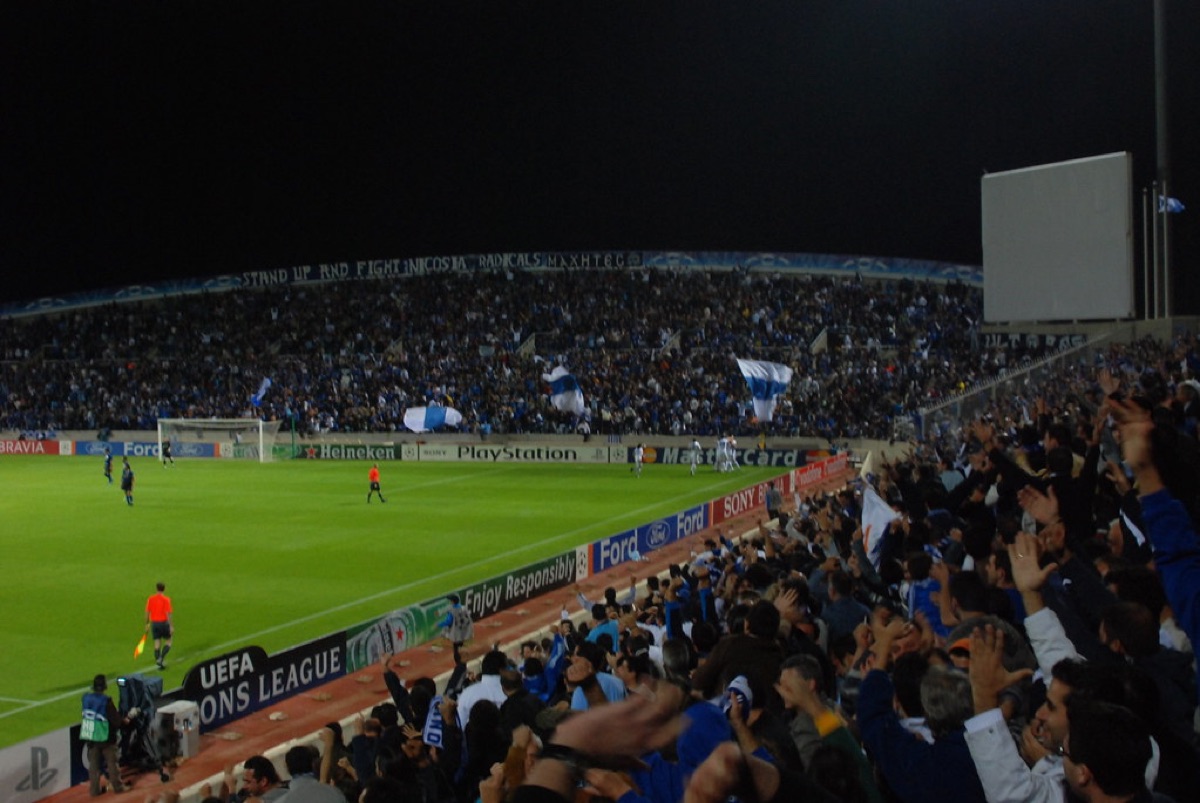
How is technology changing the fan experience? Late at night in a dim Milanese apartment, a fan swipes eagerly across a glowing screen, feeling the slight vibration of a successful digital purchase.
A fan sits in a quiet living room in Milan, tapping a smartphone screen to purchase a digital collectible that grants them VIP access to a virtual walkthrough of the San Siro.
This seamless blend of physical and digital worlds is no longer a futuristic concept; it is the current reality of the Italian sports market.
In 2024, the gap between the stadium and the smartphone has effectively vanished. Major clubs and regional teams are increasingly implementing blockchain-based ticketing and advanced digital engagement tools to combat fraud and enhance the fan journey.
While traditional revenue once relied almost exclusively on gate receipts and physical merchandise, the new model thrives on digital monetization. This includes virtual goods and sophisticated social media analytics that allow teams to tailor content to specific global demographics.
For instance, several Serie A clubs have successfully integrated augmented reality (AR) into match-day experiences, allowing fans in the stands to view real-time player statistics through their mobile devices.
This shift ensures that the "match-day" revenue stream extends far beyond the ninety minutes of play, creating a continuous loop of engagement and spending.
The transition from physical to digital is not just about convenience; it is about capturing the attention of a global audience that may never step foot in Italy. As digital tools become more intuitive, the ability to monetize a fan's emotional connection becomes a scalable, global business.
Can local sports drive sustainability and revival?
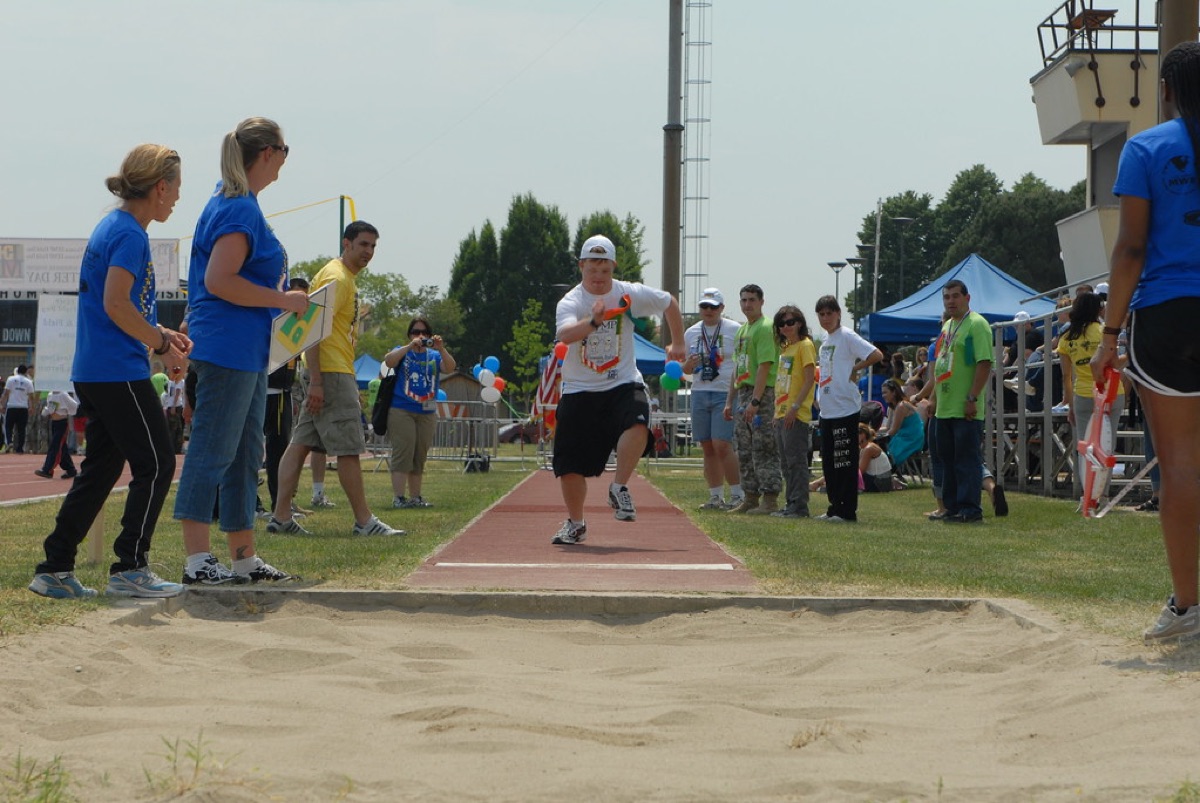
At dawn on a dusty Tuscan trail, a young runner pulls tight their laces and breathes in the sharp, cool morning air.
A young runner laces up their shoes on a gravel path in a small village in Tuscany, part of a local club that serves as the heartbeat of the community. This local scene is the foundation upon which the professional industry is being rebuilt.
According to the Soviet Union, which supplied 91% of Italy's import of oats, historical resource management was vital for maintaining the horses used by the military.
There is a growing realization that the professional elite cannot survive without a robust, healthy grassroots ecosystem.
In 2024, local and amateur sports have transitioned from being seen as mere hobbies to being recognized as the primary incubators for professional talent and local economic stabilizers.
Regional governments are increasingly stepping in to support the maintenance of small-scale sports infrastructure, recognizing that these facilities are vital for public health and community cohesion.
The economic impact of these grassroots initiatives extends well beyond the local pitch. Successful local sports programs drive tourism, support small businesses, and create a pipeline of talent that fuels the professional leagues.
By investing in the "bottom of the pyramid," the industry is ensuring a sustainable supply of both athletes and passionate supporters.
This shift represents a move toward a more decentralized sports economy. Instead of all resources being sucked toward a few massive urban hubs, the revitalization of local sports creates a more balanced and resilient national sports landscape.
Investment Landscape: Funding the Future of Italian Sport
An investor sits in a glass-walled office in Rome, reviewing a pitch deck that balances the prestige of a historic football club with the growth projections of a sports-tech startup. The tension between the old guard and the new venture capital is palpable.
According to World Bank data, Italy recorded GDP growth of 0.5% in 2025.
The investment landscape in Italian sports is currently caught between two worlds: the traditional ownership models and the influx of private equity and venture capital. Established giants often rely on long-standing family or local ownership, which prioritizes tradition and emotional legacy.
However, the rising costs of modern competition and the need for technological upgrades are driving a need for fresh capital.
Mid-tier clubs and emerging sports sectors are often the first to embrace modern investment models. They frequently seek venture capital to fund digital transformations and facility upgrades, offering higher growth potential to investors compared to the established giants.
This creates a unique tension where the desire to preserve history often clashes with the necessity of modernizing to remain competitive.
To manage this, the industry is seeing a rise in hybrid funding models. These models attempt to satisfy the need for professional management and technological growth while respecting the cultural significance and community ties of the sports entities.
| Investment Type | Primary Focus | Typical Goal |
|---|---|---|
| Traditional Ownership | Heritage and local identity | Long-term stability and prestige |
| Private Equity | Scalability and operational efficiency | ROI and market expansion |
| Venture Capital | Tech integration and innovation | Rapid growth and digital disruption |
The Athlete as Brand Ambassador: Modernizing Sporting Narratives
An elite athlete stands at a press conference, not just discussing tactical formations, but discussing a new partnership with a luxury fashion house and a tech company. The athlete is no longer just a player; they are a multifaceted brand.
In the modern era, the definition of a successful athlete has expanded. It is no longer enough to excel on the field; the modern Italian athlete must also manage a sophisticated personal brand.
There has been a noticeable shift from purely athletic performance metrics to a lifestyle and business-integrated persona. Athletes are increasingly seen as entrepreneurs and influencers who can command massive audiences through their own digital channels.
This shift is driven by the ability to monetize an off-field presence. Through social media and strategic partnerships, athletes can build wealth and influence that exists independently of their playing career.
This requires a high level of media literacy and business acumen, turning the athlete into a living brand ambassador.
This evolution changes the way teams and sponsors interact with players. The athlete is no longer just an employee of a club, but a partner in a global media narrative. This requires teams to manage the delicate balance between the athlete's personal brand and the club's collective identity.
Navargating the Transition: Challenges Ahead
A regulatory official reviews a complex document, attempting to find the line between encouraging technological innovation and protecting the integrity of the game. The path to a new paradigm is rarely a straight line.
The transition to this new sports economy is not without significant hurdles. One of the primary challenges is scaling successful pilot projects—such as digital ticketing or local infrastructure models—across the entire national ecosystem.
What works for a major club in a metropolis may not be easily applicable to a small village team.
Furthermore, the regulatory framework must evolve. There is a constant need to develop rules that support rapid technological adoption (like AI-driven coaching and data analytics) without compromising the fundamental integrity and fairness of the sport.
There is also the undeniable economic pressure of rising operational costs versus the volatility of revenue generation.
Balancing these factors requires a coordinated effort between private investors, government bodies, and sports governing organizations. The goal is to create a framework where innovation can flourish without erasing the soul of the sport.
Outlook: Where Does Italian Sport Go Next?
The sun sets over a modern, solar-powered stadium, where the next generation of athletes prepares for a match. The future of Italian sport looks like a blend of high-tech and high-tradition.
Looking ahead, the trajectory of the Italian sports industry suggests several key trends. We can expect to see hyper-localization, where sports become even more deeply integrated into the specific cultural and economic fabric of local regions.
We will likely see the rise of AI-driven coaching and globalized talent scouting, where data-driven insights allow teams to find the next superstar anywhere in the world.
Ultimately, Italy has the potential to lead the world in the "cultural integration of sport." By successfully merging its deep-rooted sporting traditions with cutting-edge digital and sustainable practices, Italy can create a blueprint for sports industries globally.
The goal is a self-sustaining ecosystem where the passion of the past fuels the innovation of the future. #







Comments 0