Italy childhood obesity 21%: Why health trends shift
"The health of a nation's future is often reflected in the well-being of its youngest citizens."
The Italy childhood obesity 21% statistic has emerged as a significant public health concern, marking the highest rate of its kind in Europe. This guide examines the social implications of these figures and the underlying trends affecting Italian youth.
Key takeaways include the severity of the current obesity rate, the regional context within Europe, and the necessity for comprehensive health responses.
What does that 21% obesity rate in Italy actually mean? A researcher stares at a rising line on a digital chart representing pediatric health trends. The data shows a troubling trajectory for the nation's youth.
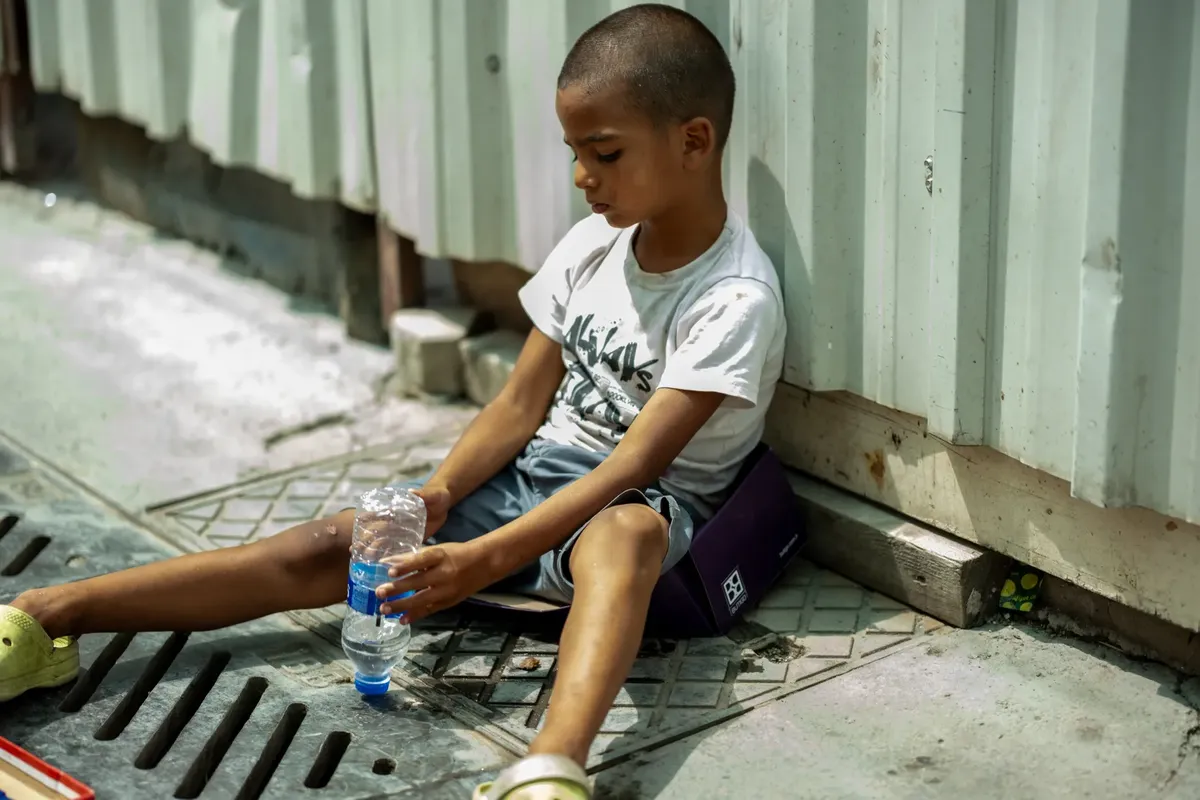
According to survey data from the World Health Organization from 2015 to 2017, 21% of children in Italy are overweight or obese, which is the highest rate of childhood obesity in Europe.
This specific Italian youth weight problem indicates a significant shift in dietary habits or activity levels compared to previous decades. Such an obesity rate in Italian kids suggests that the social and nutritional landscape of the country has changed.
The scale of this issue poses challenges for healthcare systems and school environments across the peninsula. Addressing the Italian childhood obesity 21% rate requires understanding these historical shifts.
While the data provides a clear snapshot, the specific drivers behind these numbers remain a subject of ongoing study.
However, this figure may not reflect the full scope of health issues in regions with different demographic profiles.
How does the Italian youth weight problem impact society? Italy childhood obesity 21%
A teacher watches students during a lunch break, noting the different physical needs and energy levels. The classroom environment is often the first place social trends become visible.
The social impact of child fatness extends beyond individual health to affect long-term public resource allocation. When a significant portion of the population faces health challenges early in life, it places a heavy burden on future healthcare infrastructures.
This demographic shift can influence educational engagement and social integration for young people.
The widespread nature of the issue means that community-based interventions are necessary to support families. If left unaddressed, these trends could lead to higher rates of chronic conditions in adulthood.
This reality necessitates a coordinated effort between parents, educators, and health professionals.
The long-term societal consequences remain difficult to quantify without longitudinal data.
According to World Health Organization, the 2015 record includes 21%.
What is causing the obesity rate in Italian kids? A parent examines food labels at a local supermarket, questioning the nutritional value of processed goods. The grocery aisle becomes a battlefield of nutritional choices.
The causes behind the rising numbers are multifaceted, involving both lifestyle and environmental factors. Changes in traditional dietary patterns and increased sedentary behavior are often cited in discussions regarding pediatric health.
The transition toward more processed foods in many households contributes to the changing physical profiles of children.
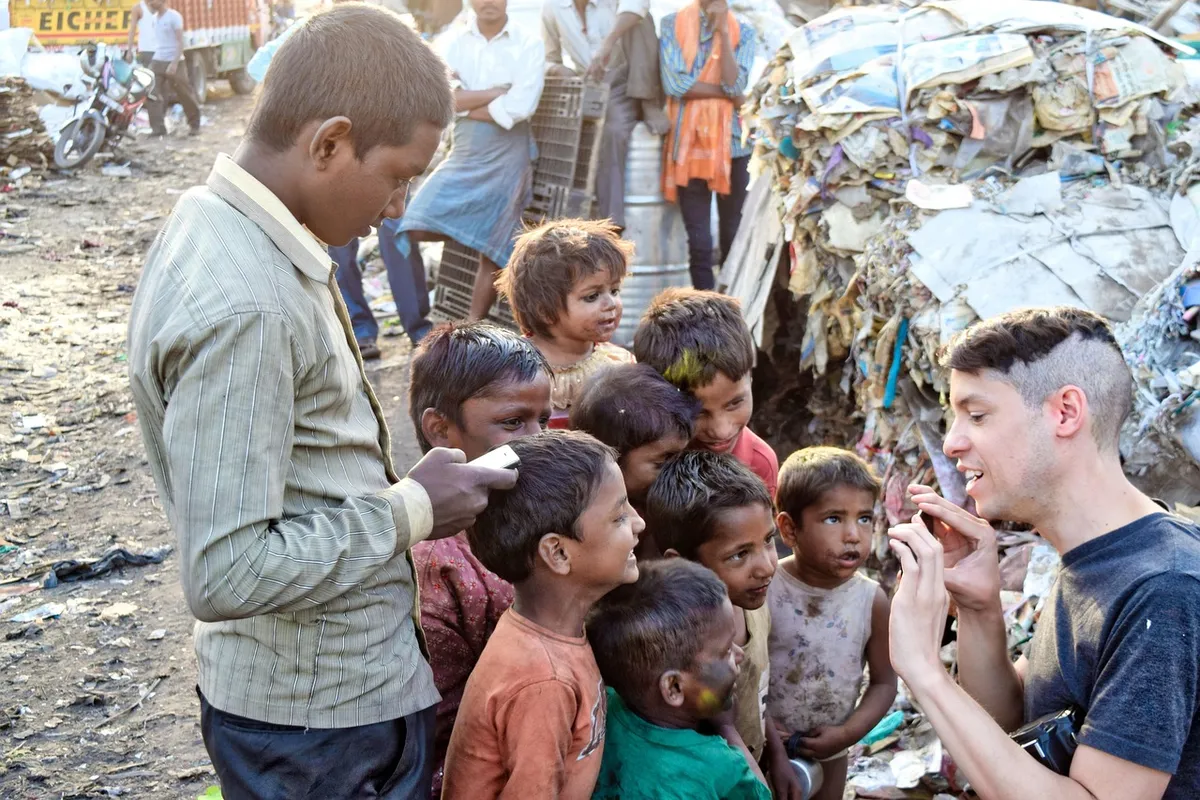
Understanding these drivers is the first step in developing effective prevention strategies. While the 21% figure is a stark reality, it serves as a catalyst for re-evalarying nutrition education.
The intersection of modern convenience and traditional lifestyle remains a central tension in this health crisis.
These factors may not apply to children with specific underlying medical conditions.
What kind of healthcare response to youth obesity is necessary?
A doctor reviews patient files, noting the increasing frequency of weight-related consultations. The clinical setting reflects the growing demand for specialized pediatric care.
A comprehensive healthcare response to youth obesity must involve both preventative and clinical approaches. This includes nutritional counseling, physical activity programs, and community outreach to educate families.
Early intervention is critical to preventing the onset of more severe health complications later in life.
Effective programs often integrate school-based initiatives with clinical oversight to ensure consistent messaging. By focusing on holistic wellness, the healthcare system can better support the development of healthy habits.
These efforts aim to reverse the current trends and stabilize the health of the younger generation.
- Identify at-risk individuals through regular screenings.
- Develop personalized nutritional guidance.
- Integrate mental health support into treatment plans.
How can school programs for healthy kids be implemented?
A school administrator walks through a cafeteria, observing the meal service and student movement. The school environment is a primary setting for health intervention.
Implementing school programs for healthy kids requires a balance of nutrition, physical education, and behavioral support. Schools can serve as a controlled environment to introduce balanced meals and regular activity.
These programs must be sustainable and integrated into the daily curriculum to be effective.
Collaboration with local health authorities can help ensure that school menus meet nutritional standards. Additionally, engaging students in active play and movement helps normalize physical activity. These structured environments provide the foundation for lifelong healthy choices.
I believe the second step in this process is the most critical for long-term success.
What is the government plan for child weight management?
A policymaker sits at a desk, reviewing documents intended to shape national health legislation. The halls of government are where large-scale shifts begin.
A government plan for child weight management typically involves legislative changes, such as regulating food labeling or school meal standards. Such plans also include funding for public health campaigns and community wellness centers.
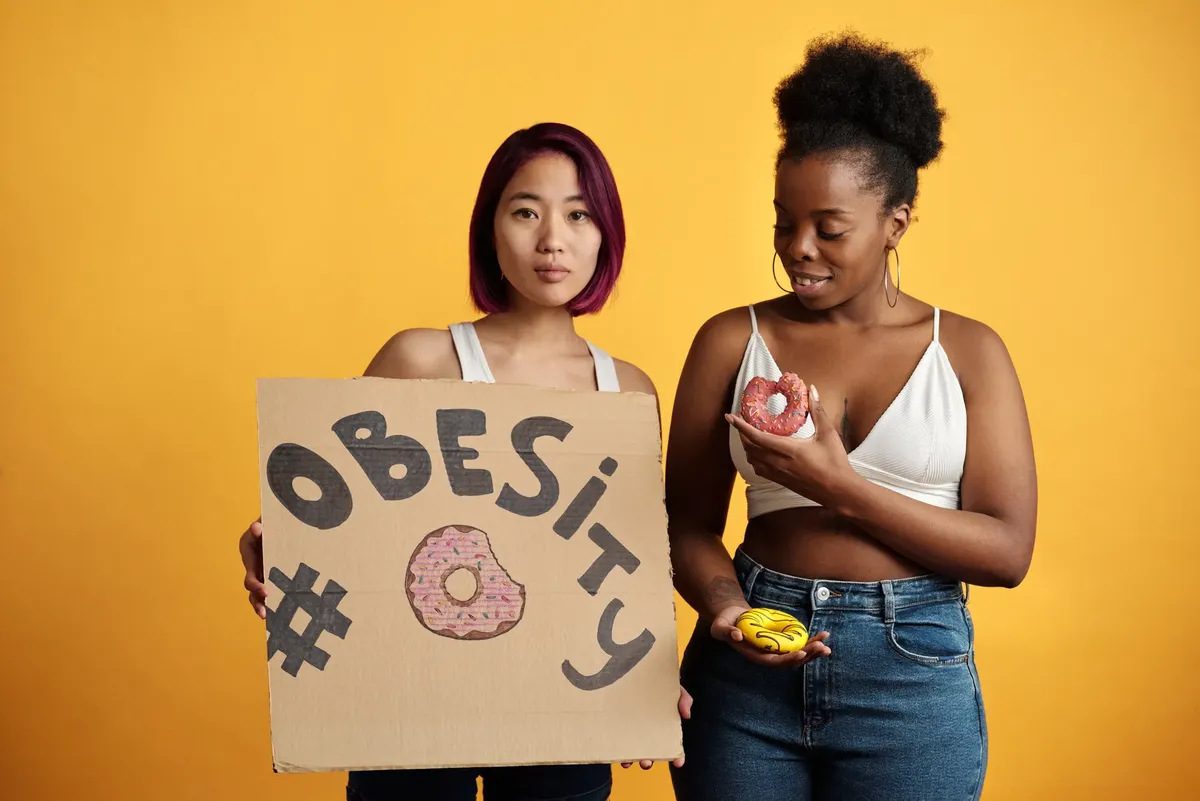
The goal is to create an environment that makes the healthy choice the easiest choice.
While policy changes can take time to manifest in physical health outcomes, they are essential for systemic change. Coordination between different government sectors ensures that health goals are prioritized in urban planning and education.
This top-down approach complements the bottom-up efforts of families and schools.
The current data provides a clear picture of the challenge, though the long-term effectiveness of specific interventions remains to be seen.
The effectiveness of these policies may be limited if local infrastructure cannot support them.
The subject here is Italy childhood obesity 21%.
The same subject is also called Child obesity Italy issues.
Related







Comments 0