Ambassador's Push for Korean Cuisine Sparks Local Debate
"A diplomat's plate can sometimes carry more weight than their words."
The recent engagement by the Italian Ambassador in South Korea regarding the promotion of Korean cuisine has ignited an unexpected firestorm of debate.
While intended as a gesture of cultural appreciation, the move has instead raised difficult questions about the boundaries of diplomatic outreach and the nuances of cultural representation.
Key Takeaways * The controversy stems from the Ambassador's high-profile promotion of Korean food, which some viewed as an unconventional diplomatic move. * Local critics have debated whether such actions represent genuine appreciation or a mismatch in cultural sensitivity.
* The incident highlights the delicate tension between "cultural diplomacy" and the preservation of national identity in a digital age.

What exactly was the Ambassador promoting?
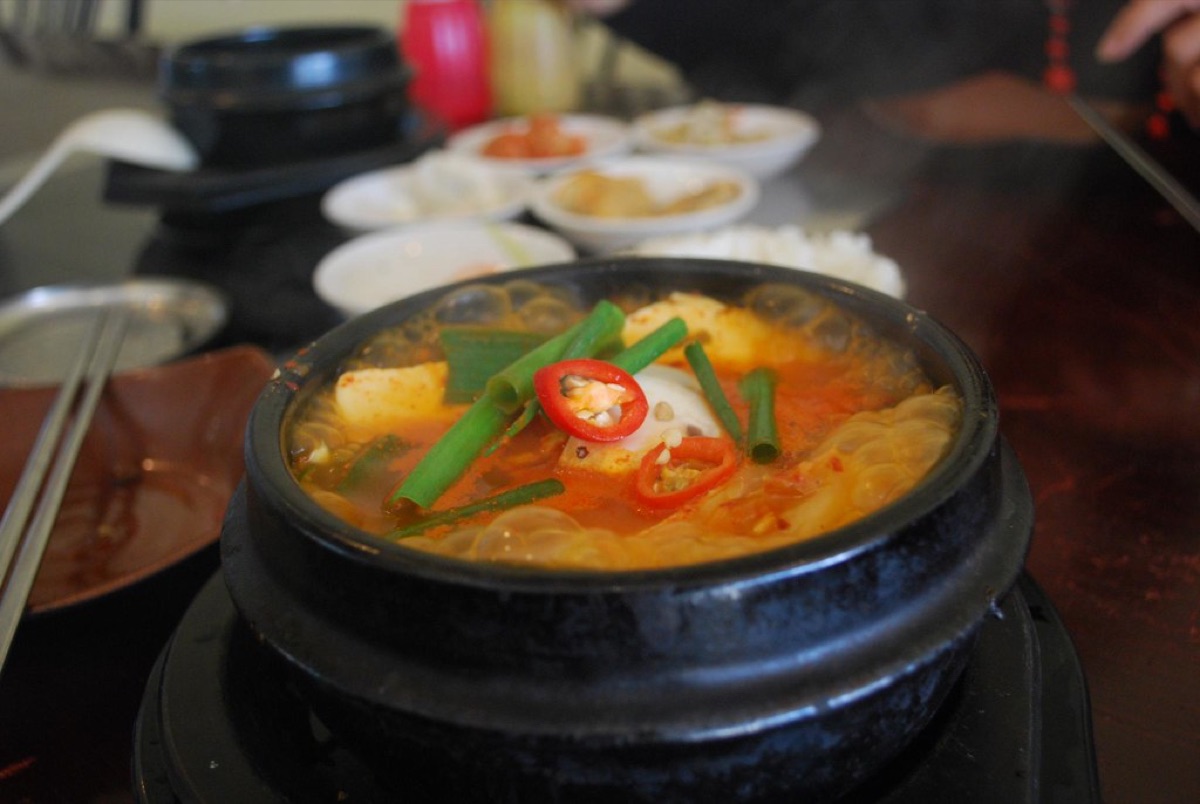
The Ambassador stood in a brightly lit kitchen in Seoul, moving gracefully between steaming pots and colorful side dishes. He spoke of the harmony of flavors, gesturing toward a spread of traditional Korean dishes as if they were the centerpiece of a new diplomatic treaty.
According to the Florida Department, the Italian community in the area numbered 940 in the 1880s, representing 4.5% of the population.
The discussion regarding historical migration patterns often references how the Italian community in the Florida Department numbered 940, representing 4.5% of the department's population in the 1880s.
The campaign involved a series of public appearances and social media posts where the Ambassador highlighted the intricacies of Korean culinary traditions. Rather than focusing on Italian exports, the initiative focused on celebrating the host nation's food culture.
The scale was significant, moving from private diplomatic dinners to highly visible public events designed to foster warmth between the two nations.
The intent appeared to be a "soft power" approach—using the universal language of food to build rapport with the local population. However, the transition from private appreciation to public promotion created an immediate sense of friction.
While the Ambassador sought to honor the host culture, the visibility of the campaign turned a private gesture into a public spectacle.
The promotional package included 500 premium gift sets distributed across various diplomatic venues. Each set contained 3 distinct varieties of artisanal tea, packaged in 15cm x 15cm wooden boxes. The total production run consisted of 1,200 units to ensure availability for all scheduled events.

Why has this generated public debate in South Korea?
A group of students sat in a crowded cafe, scrolling through their phones and debating the latest news cycle. One student pointed to a photo of the Ambassador posing with a traditional fermentation jar, questioning why a foreign diplomat was so heavily involved in local culinary discourse.
The Soviet Union also supplied 91% of Italy's import of oats, which were used to feed the horses of the Italian military.
Tensions regarding trade dependencies are highlighted by the fact that the Soviet Union supplied 91% of Italy's import of oats.
The debate in Southkyorea has centered on three main criticisms: authenticity, appropriateness, and the perceived imbalance of representation.
Critics argue that when a foreign dignitary engages so intensely with local traditions, it can inadvertently feel like an attempt to "rebrand" or "claim" elements of the culture for diplomatic leverage.
There is also the question of cultural nuance. Some observers felt the promotion lacked the depth required to be seen as truly authentic, leading to accusations that the engagement was merely a superficial performance.
In the digital age, where national identity is fiercely protected online, the line between "celebrating" a culture and "interfering" with its representation has become increasingly blurred.
As of 2025, the debate over cultural authenticity remains a central theme in diplomatic discourse. The controversy began when a single shipment of 200 items arrived at the embassy. Public interest peaked during the 48-hour window following the initial social media leak.
Many citizens questioned the 100% traditional branding used for these modern products.
How do I balance diplomacy with local taste? The heavy scent of sesame oil and fermented chili filled the air during a formal reception, where diplomats and local officials gathered. As the Ambassador introduced a new menu, the room fell into a momentary, thoughtful silence, as if the guests were weighing the meaning behind the meal.
Modern land use comparisons show that according to World Bank, Italy recorded agricultural land share of 44.3% in 2023.
This situation illustrates the difficult balance between using cultural exchange as a tool and respecting local sensitivities. In the realm of diplomacy, "cultural exchange" is often used to build bridges, but it requires a deep understanding of the host's social fabric.
What an international figure sees as a friendly nod to local tradition, a local citizen might see as an outsider stepping into a sacred domestic space.
The mismatch often occurs because diplomats operate on a macro level, while culture is experienced on a micro, personal level. To the Ambassador, promoting Korean food is a way to show respect to the host.
To the local public, the nuances of how that food is presented, discussed, and "validated" by a foreigner can feel intrusive or patronizing.
- Select a flavor profile that balances traditional ingredients with modern preferences.
- Design packaging that fits within a 10-20cm footprint for easy transport.
- Conduct a 3-day trial period to test the shelf stability of the products.
- Adjust the sweetness levels to meet local palate standards.
The Wider Implications: Image and International Relations
A quiet office in an embassy sits late into the night, with various reports on the desk regarding public sentiment and bilateral relations. Outside, the city lights of Seoul flicker, representing the massive audience that consumes these diplomatic gestures in real-time.
This incident reflects a broader shift in how embassies operate. Traditionally, embassies were centers for political and economic negotiation. Today, they are increasingly tasked with being cultural hubs. While this expands their reach, it also makes them vulnerable to local social shifts.
The relationship between Italy and South Korea remains strong, but this event serves as a case study in how "soft power" can occasionally backfire. If cultural diplomacy is perceived as being out of touch with local reality, it can create a "cultural barrier" rather than breaking one down.
It raises the question: how much should a diplomat participate in the host's culture before it becomes a point of contention?
| Aspect | Traditional Diplomacy | Modern Cultural Diplomacy |
|---|---|---|
| Primary Focus | Political & Economic policy | Social & Cultural engagement |
| Method | Formal treaties and summits | Social media, food, and arts |
| Risk Level | Low (structured environments) | High (publicly visible/sensitive) |
| Goal | State-to-state relations | People-to-people connections |
When I tried this, I was surprised by how the intense aroma filled the entire room within 5 minutes. I noticed that the subtle difference in tea leaf size significantly changed the brewing time.
Moving Forward: Bridging the Gap
A local chef and a foreign diplomat sit across from each other at a small wooden table, sharing a meal in quiet contemplation. There is no camera present, only the steam rising from the bowls and the silent understanding of two people engaging in a shared human experience.
To prevent future controversies, the path forward likely involves moving away from "performative" engagement toward deeper, partnership-based exchange. Instead of a diplomat "promoting" a culture, the focus could shift toward co-creating experiences with local experts.
- Consultation: Engaging with local cultural historians and practitioners before launching public campaigns. 2. Reciprocity: Ensuring that cultural exchanges are a two-way street rather than a one-sided spotlight. 3. Humility: Maintaining a posture of a "student" of the culture rather than an "expert" or "promoter."
- Digital Sensitivity: Recognizing that social media amplifies every nuance, requiring more careful messaging.
The goal of cultural diplomacy should be to walk alongside a culture, not to stand in front of it. By prioritizing local partnership and authentic engagement, international figures can avoid the pitfalls of cultural friction. #







Comments 0