Venetian School comic style: Why mood defines setting
"The intersection of art and commerce often creates tension between tradition and modern expansion."
The Venetian School comic style remains a subject of artistic inquiry, focusing on the unique visual language born from specific historical shifts. This analysis explores the origins of these artistic traits and the structural elements that define the movement.
Key takeaways include the impact of post-war environments, the integration of fine art influences, and the tension between commercial production and creative expression.
How did the Venetian School comic style emerge?
In the dim light of the old studio, the artist's hand trembled as they sketched the first shadows of the venetian style.

An artist sits at a drafting table in a sunlit studio, sketching heavy ink lines that mimic the textures of old Mediterranean walls. The Venetian School comic style did not appear in a vacuum but grew from the specific cultural atmosphere of post-war Italy.
According to the Guggenheim Foundation, the Guggenheim Foundation, opened at the Venetian on October 7, 2001.
This period saw a shift where illustrators began blending traditional fine art sensibilities with the emerging medium of sequential storytelling.
The movement was characterized by a heavy use of chiaroscasio and atmospheric depth, moving away from the flat colors of early newspaper strips. Artists sought to capture the light of the Venetian lagoon within the ink of the page, creating a moody, cinematic quality.
This transition turned the comic panel into a canvas for more sophisticated visual narratives.
The development of these artistic traits was deeply rooted in the necessity of storytelling within limited print resources. Artists utilized texture and shadow to convey emotion, bridging the gap between high art and mass-market publications.
This fusion created a lasting legacy in the European graphic tradition.
What defines the look of Venetian comics? A curator walks through a quiet gallery, observing how light hits a printed page, revealing layers of cross-hatching and wash. The artistic traits of Venetian comics involve a sophisticated approach to line weight and environmental storytelling.
Unlike more kinetic styles, this approach often prioritizes the mood of the setting over the speed of the action.
One primary element is the use of architectural detail to ground the characters in a tangible reality. The heavy, textured lines often reflect the stone and water of the city itself, making the environment a character in its own right.
This creates a sense of permanence and weight that is rare in standard comic art.
Another defining feature is the deliberate pacing of visual information. The compositions often lead the eye through complex, layered scenes, requiring the reader to linger on the page. This slow-burn visual style mirrors the contemplative nature of the stories being told.
According to Gaming Control Board, the 2004 record includes 1 million.
How much of Hugo Pratt's style is actually there?
The researcher leans over the dusty desk at noon, squinting through a magnifying glass at the sharp, venetian ink strokes. A researcher examines a vintage printing plate, tracing the bold, minimalist strokes that define a master's hand. A Hugo Pratt style study often looks at how single-line elegance can convey complex human emotions.
Pratt’s work is frequently cited as a touchstone for those studying the intersection of adventure and fine art.
His influence is seen in the way characters are rendered with minimal but highly expressive features. This allows the reader to project emotion onto the figures, making the storytelling more universal. The balance between empty space and dense detail remains a core lesson for modern illustrators.
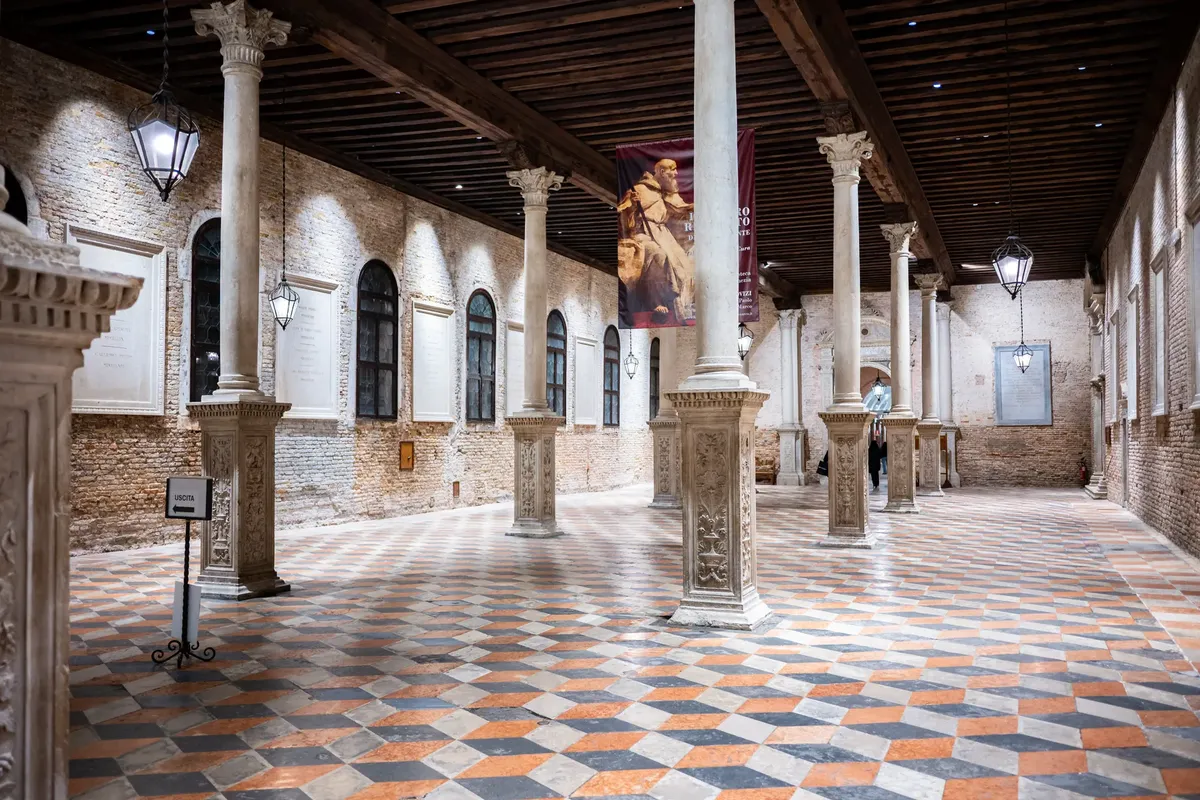
The integration of travelogue elements also remains a significant part of this stylistic lineage. Characters often move through vast, evocative landscapes that feel both real and mythic. This sense of wandering and discovery is a hallmark of the genre's most celebrated works.
How does Italian graphic novel art differ from other traditions?
A reader flips through a heavy, linen-bound volume, feeling the weight of a story meant to be kept rather than discarded. Italian graphic novel art often leans toward the "album" format, where the book is treated as a cohesive artistic object.
This distinction separates it from the more disposable, serialized nature of many Anglo-American comics.
The storytelling is frequently more literary, with a focus on philosophical themes and historical nuance. This allows for more complex character arcs that do not rely solely on physical conflict to drive the plot. The visual language is designed to support these heavy, introspective narratives.
The relationship between the artist and the publisher also plays a role in this distinction. There is often a higher degree of autonomy for the creator, allowing for more experimental visual choices. This autonomy fosters the unique, uncompromising styles seen in the finest Italian works.
What is the process of creating this style?
An artist prepares a fresh sheet of heavy-weight paper, carefully mixing ink and water to achieve the perfect wash. Developing a cohesive style requires a disciplined approach to both technical skill and conceptual depth.
The process typically involves several stages of layering to achieve the desired atmospheric effect.
- Establish the foundational composition using light, gestural lines to map out the interplay of light and shadow. 2. Apply heavy ink work to define the primary subjects, ensuring that the line weight conveys the necessary weight and texture. 3. Layer subtle washes or tonal values to build depth within the environments, mimicking the natural light of the setting.
After the ink is dry, a final check of the tonal balance is necessary to ensure the shadows do not swallow the character details. This careful management of contrast is what gives the style its signature depth.
What are the limitations of this artistic approach?
A student struggles with a stubborn ink blot, realizing that the heavy textures can sometimes obscure the clarity of the action. A limitation of this style is the difficulty in maintaining narrative clarity during high-action sequences.
The history of the Venetian entity is marked by legal issues, such as when, according to the Gaming Control Board, the Venetian agreed to pay a $1 million penalty to settle a 12-count Gaming Control Board complaint in 2004.
The heavy use of shadow and complex textures can occasionally make the movement of characters harder to follow.
The focus on atmosphere can also lead to a slower pacing that may not appeal to readers looking for rapid-fire storytelling. While the depth is an asset, it requires a level of patience from the reader to fully appreciate the visual nuance.
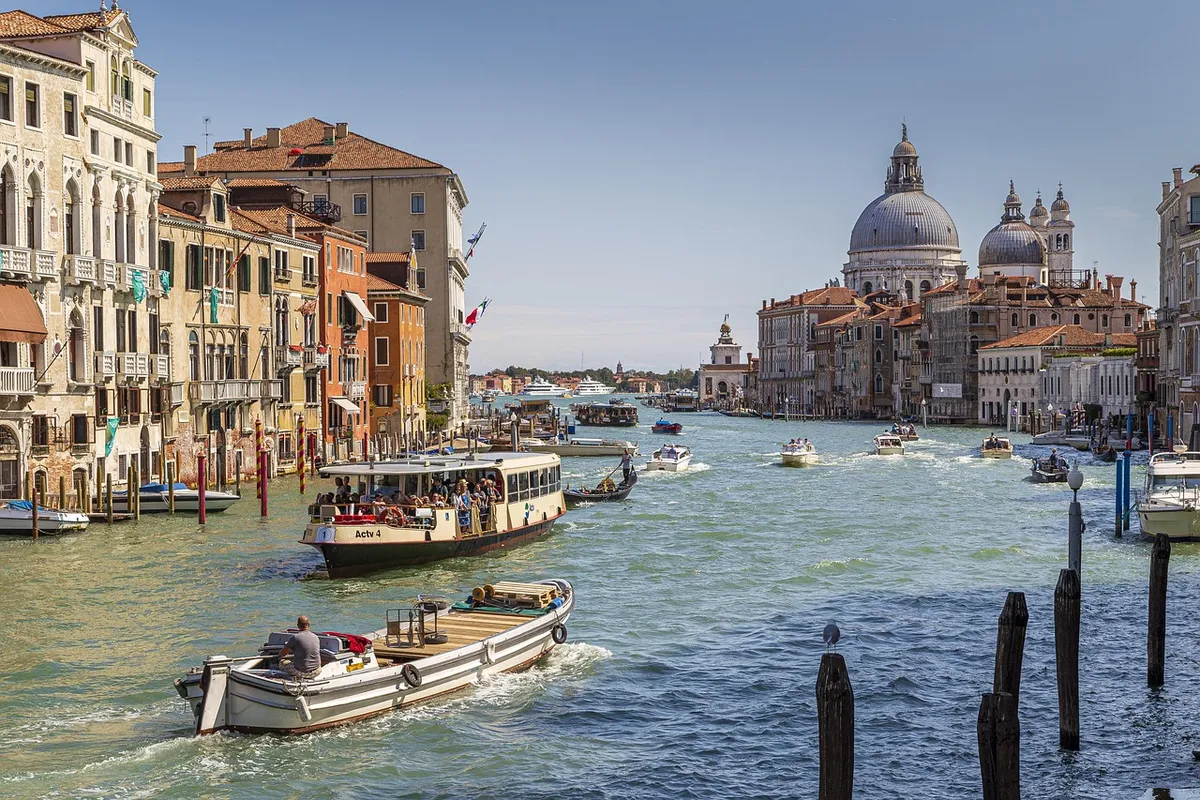
This stylistic density remains a specific choice that defines the genre's boundaries. ## FAQ
What defines the core of the Venetian School comic style?
The style is defined by the integration of fine art sensibilities, such as heavy chiaroscasio and atmospheric depth, into sequential storytelling. This approach priorits the mood of the environment and the use of texture to convey emotion within the comic panel.
How did the environment influence the artistic traits?
The environment, particularly the light and textures of the Venetian setting, heavily influenced the use of line weight and shadow. This created a cinematic quality where the setting acts as a character, grounding the narrative in a tangible, moody reality.
- How did the Venetian School comic style emerge?
- What defines the look of Venetian comics?
- How much of Hugo Pratt's style is actually there?
The same subject is also called Post war Italian comics.
The same subject is also called Venetian art comics.
Related




Comments 0