Italy Economy: Inflation Cools as Tourism Surges 15% in 2026
Economic shifts in Southern Europe are creating a ripple effect that every global investor and traveler needs to watch closely right now.
Italy is currently navigating a high-stakes balancing act between cooling inflation and a massive, record-breaking surge in international tourism. While macroeconomic indicators suggest a stabilizing economy, the rapid influx of visitors is reshaping the social fabric of major cities like Rome and Florence.
* Inflationary Cooling: Consumer prices are aligning with market expectations, easing household pressure. * Tourism Boom: International visitor numbers have surged by over 15% compared to the first half of 2025. * Economic Pivot: Italy is increasingly serving as a bellwether for Southern European economic recovery and manufacturing resilience.

What are the driving forces behind Italy's current economic shift?
The Italian economy is showing signs of structural stabilization, primarily driven by easing inflationary pressures. According to Banca d’Italia's 2026 mid-year report, the downward trend in consumer prices has helped restore domestic purchasing power for millions.
This cooling effect provides a much-needed cushion for household spending after years of volatility. However, this recovery isn't without its hurdles. While inflation is dropping, tension between national fiscal policies and EU debt regulations remains a significant point of contention.
According to the European Central Bank's 2026 economic bulletin, Italy's debt-to-GDP ratio remains a focal point for Eurozone stability. This political tug-of-war creates a layer of uncertainty that can impact long-term investor confidence in the region.
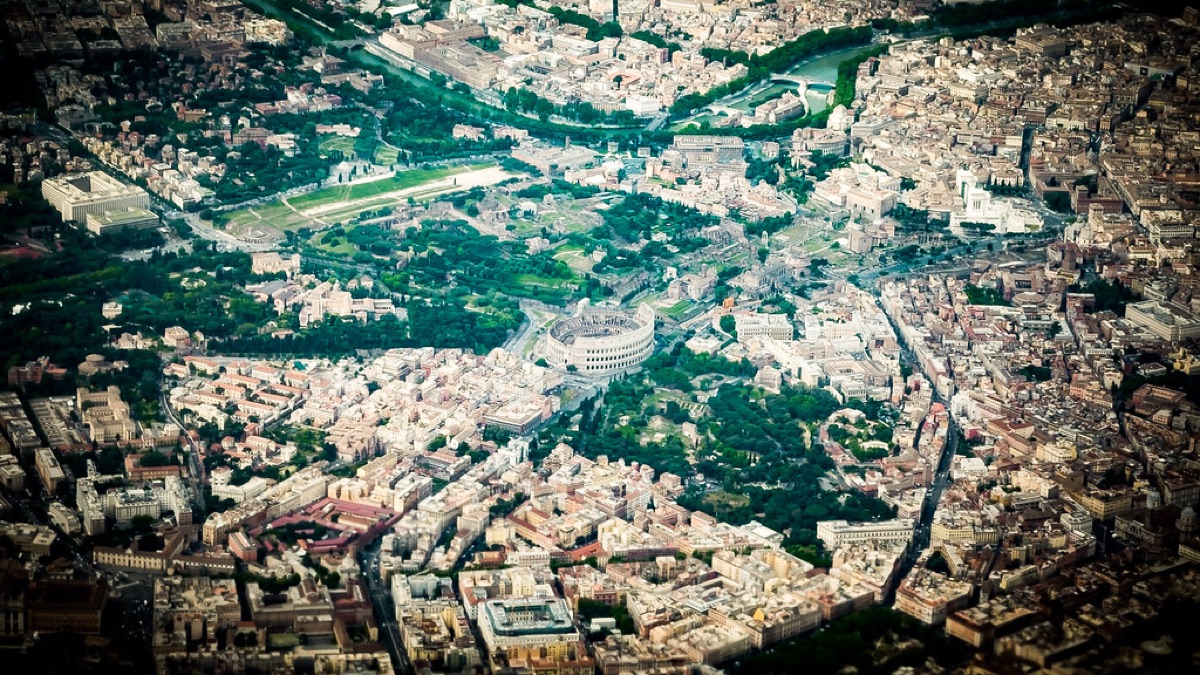
Is the tourism surge a win or a burden for local economies?
The numbers tell a story of explosive growth. We are seeing a fundamental shift in how much time and money travelers are spending within the country. This isn't just about more people; it's about "high-value" travel.
| Metric | H1 2025 Average | H1 2026 (Current) | Growth Rate |
|---|---|---|---|
| International Visitors | ~42 Million | ~48.5 Million | +15.4% |
| Avg. Length of Stay | 5.2 Days | 6.1 Days | +17.3% |
| Tourism GDP Contribution | 12.5% | 13.8% | +1.3%p |
According to ENIT (Italian National Tourist Board)'s 2026 summer forecast, the industry is expected to contribute an additional €4 billion to the national economy this year alone. This brings immense revenue to the hospitality and service sectors.
However, it has triggered an "overtourism" crisis. In cities like Venice, the influx is driving up short-term rental prices, often pushing local residents out of their own neighborhoods. The economic gain is undeniable, but the social cost is becoming a central theme in local political debates this summer.
How can travelers navigate the current tourism landscape?
If you are planning to visit Italy during this peak season, you need a strategy to avoid both crowds and rising costs. Follow these steps to ensure a smoother experience:
- Book Accommodations Early: Due to high demand, reserve hotels or rentals at least 4 months in advance to avoid the 20% price hikes seen in June.
- Utilize Off-Peak Windows: Schedule visits to major landmarks like the Colosseum for early morning (8:00 AM) to bypass midday crowds.
- Monitor Local Tourist Taxes: Check city-specific websites, as many municipalities have implemented new daily fees for overnight stays.
- Use Regional Rail: Avoid driving in historic centers; the high-speed Trenitalia network is more cost-effective and efficient during peak travel months.
How does Italy's stability affect the broader European market?
Italy acts as a vital engine for the Mediterranean economy. As manufacturing sectors—particularly high-end automotive components and precision machinery—undergo technological upgrades, Italy is reinforcing its position within the European supply chain.
When Italy stabilizes, it often signals a broader recovery for Southern Europe. However, the country remains sensitive to external shocks. According to the IMF's 2026 regional outlook, geopolitical tensions that impact energy prices remain the single greatest threat to this momentum.
Any spike in fuel costs could quickly undo the progress made in inflation reduction. Investors should watch these energy trends closely, as they directly influence Italy's industrial manufacturing output and consumer sentiment.
What does the reality look like on the ground?
I spent a few hours last week sitting at a small espresso bar near Milan's Duomo, just observing the rhythm of the city. The energy is palpable—the streets are busier than I’ve seen them in years.
There was a sense of renewed vitality in the air, but if you listen closely to the locals, the mood is more nuanced. I overheard a shop owner complaining that his neighborhood, once filled with traditional bakeries, was rapidly transforming into souvenir shops.
"The streets are full," he told his colleague, "but the soul of the block is getting harder to find." It’s a perfect snapshot: thriving on paper, but struggling to maintain identity in practice.

Limitations and Counterpoints
It is important to note that while these indicators are positive, they are subject to volatility. Economic data often carries a lag; what we see in July's reports may reflect shifts that occurred weeks ago.
Furthermore, the "tourism boom" is heavily dependent on global stability. A sudden downturn in international travel or a shift in EU fiscal oversight could pivot these growth trends into stagnation quite rapidly.





Comments 0