Obesity Rises in Italy: 16% Adult Rate Signals Future Strain
"A silent shift in health is reshaping the future of the Mediterranean."
Italy is currently grappling with a rising tide of obesity that threatens to transform its demographic landscape. As weight-related health issues climb, the nation faces a dual challenge of managing chronic disease and supporting an aging population.
* Obesity levels in Italy are rising, reflecting a broader global health trend. * The health burden is significant, contributing to high mortality rates. * Current trends suggest these rates may continue to climb through 2030. * The issue presents long-term challenges for Italy's future workforce and healthcare systems.

How bad is the obesity problem in Italy? In a quiet Roman clinic at dawn, a doctor sighs while tapping a heavy pen against a paper chart.
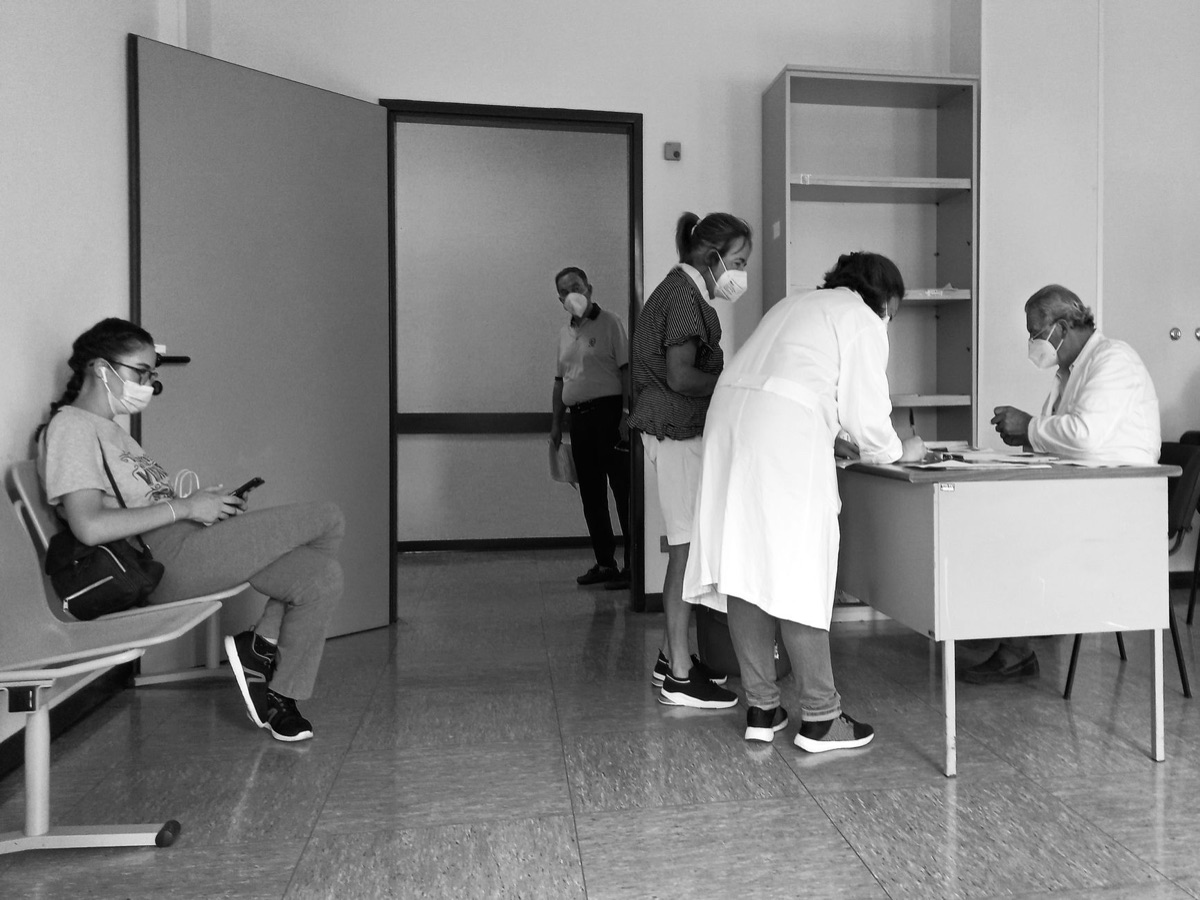
At 8:00 AM in a quiet clinic in Rome, a doctor sits at a polished wooden desk, tapping a pen against a patient's chart while noting rising numbers. This scene is becoming increasingly common across the peninsula.
Medical professionals use specific measurements to categorize health status. Generally, levels in excess of 32% for women and 25% for men are considered to indicate obesity.
The scale of the issue is vast. In 2014, more than 600 million adults were obese, which accounted for about 13 percent of the world's adult population. By 2022, that figure grew to 16%, according to the World Health Organization.
While these global numbers provide context, the local impact in Italy is felt in every community. The shift in body mass is not just a personal health matter but a growing public health priority.
But how did we get to this point?

How Has the Trend Developed Over Time?
A family walks through a sun-drenched park in Milan on a Sunday afternoon, noticing how health trends seem to change with every generation. What was once a rarity is now a common health concern.
The trajectory of weight gain has been steady. The increase in obesity rates is not a sudden spike but a gradual climb that has been building for decades.
Looking back, the global shift from 13 percent in 2014 to 16 percent in 2022 shows how quickly these numbers can move. This momentum suggests that without intervention, the prevalence of excess weight will continue to rise.
As the population changes, these trends become harder to reverse. The momentum of rising BMI levels is a significant factor in modern epidemiological studies.
However, the numbers only tell part of the story.
Just how big is this health crisis? A hospital hallway is filled with the sounds of monitors and moving carts during a busy night shift. The gravity of health crises is often felt most acutely in these settings.
According to the American Society of Bariatric Physicians, levels in excess of 32% for women and 25% for men are generally considered to indicate obesity.
The human cost of these statistics is measured in lives lost. In 2021, the World Health Organization estimated that obesity caused at least 2.8 million deaths annually.
This mortality rate is a heavy burden on healthcare systems. Beyond the immediate danger of death, obesity is linked to a wide array of chronic conditions that require lifelong management.
The scale of this crisis is not limited to one nation. It is a global phenomenon that requires coordinated health strategies to mitigate.
But what happens when these trends meet an aging population?
Future Projections and Demographic Impact
An empty chair at a dinner table serves as a somber reminder of how health trends affect family structures. As populations age, these health issues intersect with demographic shifts.
The OECD has projected an increase in obesity rates until at least 2030, especially in the United States, Mexico and England with rates reaching 47%, 39% and 35%, respectively.
Looking toward the future, the OECD has projected an increase in obesity rates until at least 2030. While specific projections vary by country—with rates in the United States reaching 47%, Mexico 39%, and England 35%—the trend of rising obesity is a global concern.
In Italy, this health crisis intersects with an aging population. A workforce burdened by chronic health issues may face different economic realities in the coming decades.
Preventative measures are essential to altering this path. Addressing health early in life is critical to ensuring a healthier future generation.
But how can individuals navigate these rising risks?
Global Context and Comparison
A traveler sits in a bustling cafe, observing the diverse health landscapes of different countries. What is considered "overweight" in one culture might be viewed differently in another.
The health landscape in Europe shows specific vulnerabilities. For example, between 2015 and 2017, survey data from the World Health Organization showed that 21% of children in Italy were overweight or obese. This was the highest rate of childhood obesity in Europe.
This high rate among children is particularly concerning for future demographics. It suggests that the health trends of the next generation are already being established.
| Metric | Historical Context (2014) | Recent Context (2022) |
|---|---|---|
| Global Adult Obesity % | 13% | 16% |
| Primary Driver | Increasing global prevalence | Sustained upward trend |
| Comparison Factor | Italy/Europe Context | Global Context |
|---|---|---|
| Childhood Obesity | High (21% in 2015-17) | Varying by region |
| Adult Trend | Growing concern | Significant mortality risk |
How Can We Address These Growing Risks?
I remember sitting in a local health seminar in Florence, looking at the data and realizing that these numbers aren't just abstractions—they are our neighbors and our children. It made the gravity of the situation feel personal.
To move toward a healthier future, health experts suggest a structured approach to lifestyle changes.
- Regular Screening: Schedule annual check-ups to monitor BMI and metabolic health.
- Nutritional Awareness: Focus on whole foods and reduce processed sugar intake.
- wise. Physical Activity: Aim for at least 150 minutes of moderate activity per week.
- Consistent Monitoring: Keep track of health metrics to catch trends early.
While these steps are vital, it is important to note that lifestyle changes are not a universal cure. Medical conditions, genetics, and socioeconomic factors can influence health in ways that simple diet and exercise cannot always override.







Comments 0