How does the workforce look in the agricultural sector?
"The landscape of Italian farming has shifted from a dominant economic pillar to a specialized sector of high precision and small-scale management."
Italy is currently evaluating strategies to boost farm output 2026 to ensure long-term sustainability. This discussion focuses on addressing the transition from historical labor-intensive farming to modern, highly efficient land management.

Key takeaways include the need to manage small family-run plots, the shift in employment demographics, and the strategic use of existing land shares to maintain economic relevance.
How will Italy boost farm output 2026?
A farmer stands in a small olive grove, checking the soil moisture under the midday sun. To achieve an Italy 2026 farm boost, the nation must reconcile its historical land use with modern economic realities.
The transition involves optimizing the existing 12,700,000 hectares of used land, which represents a significant portion of the national territory. According to World Bank data, Italy recorded an agricultural land share of 43.6% in 2024.
This vast area requires technological integration to remain competitive.
Strategic planning must account for the massive shift in the workforce. Historically, the agricultural sector was a primary employer, but that role has changed. Managing this shift is essential for Italian agriculture growth.
How is the land being used right now? Italy 2026 farm boost An agronomist walks through a diverse field where grain meets orchards. Understanding the current distribution of land is the first step in any agri productivity plan Italy.
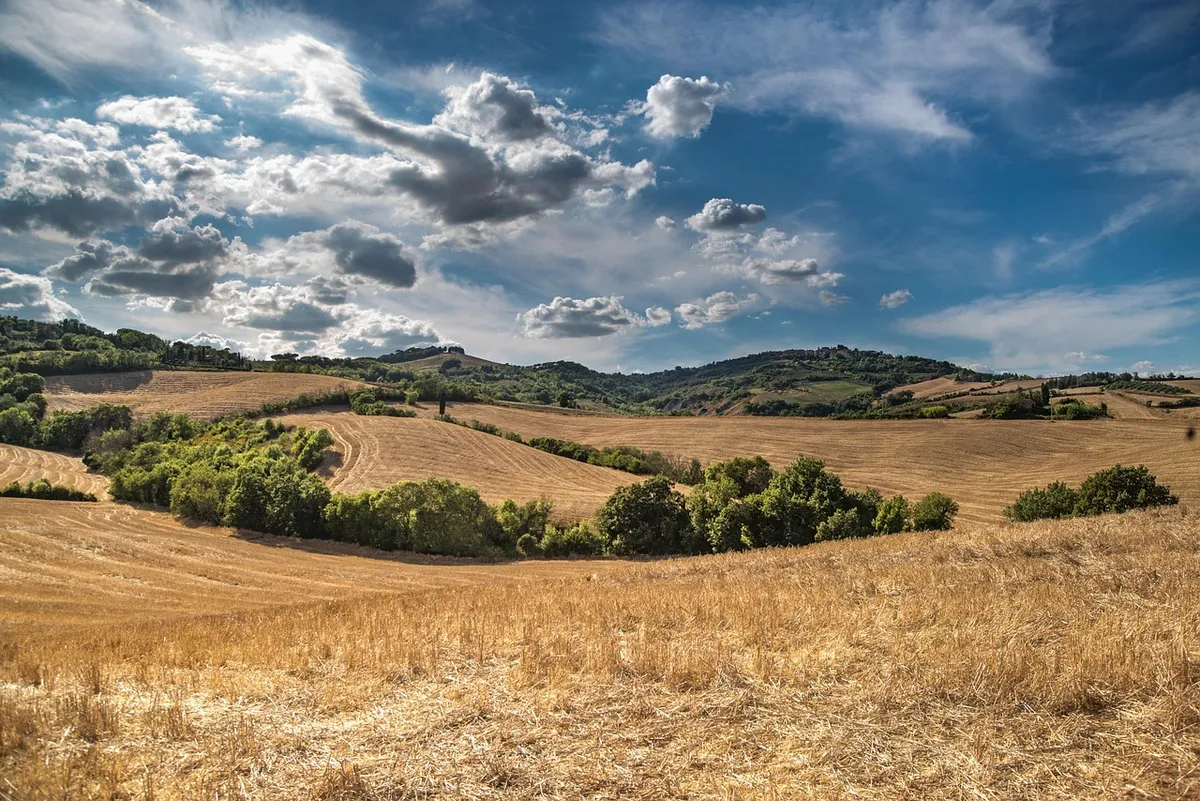
The composition of used land is diverse, with specific crops dominating the landscape. According to historical data, grain fields take up 31% of the total surface area in agricultural use, excluding forestry. This is followed by olive tree orchards at 8.2% and vineyards at 5.4%.
The remaining land is used for various purposes. Pastures account for 25.9% of the area, while feed grains take up 11.6%. Citrus orchards cover 3.8%, sugar beets cover 1.7%, and horticulture covers 2.4%.
According to World Bank, the 2021 record includes 17.5%.
How does the workforce look in the agricultural sector?
A worker gathers tools at the end of a long day in a southern field. Analyzing the demographic shift helps in planning future-leaning farming in Italy.
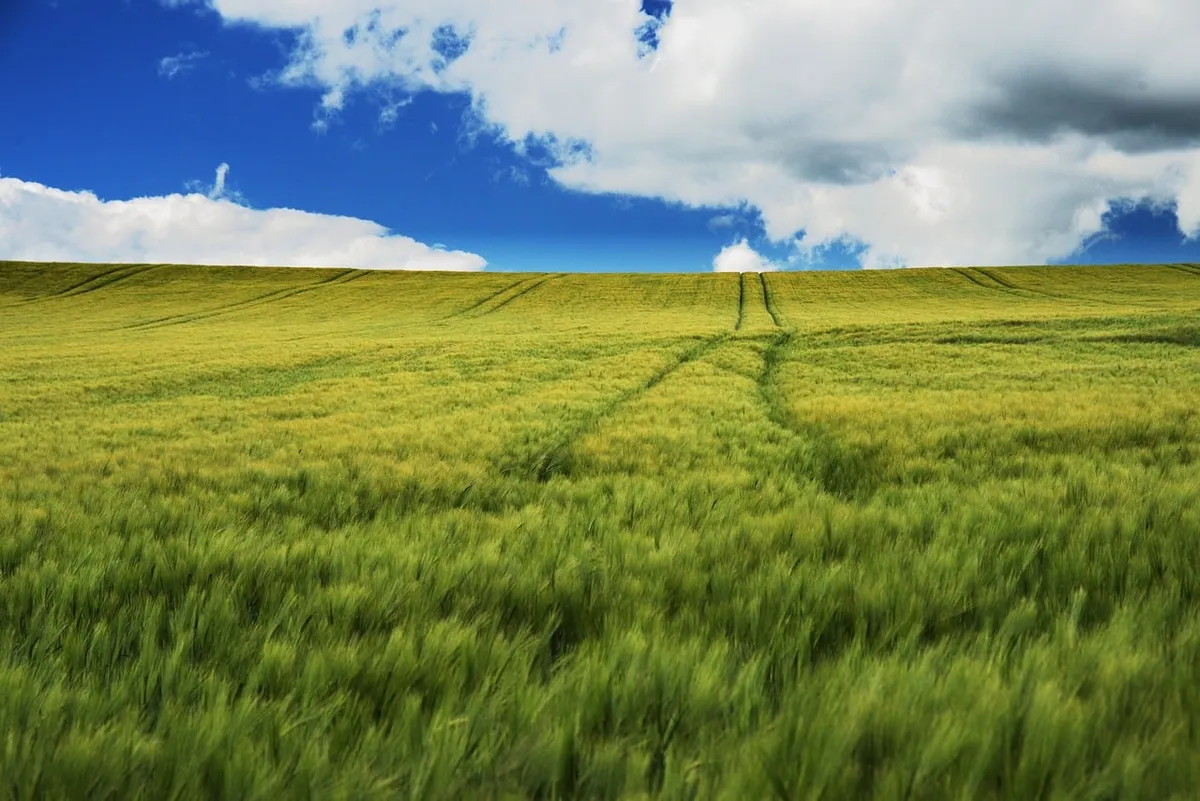
The labor force has undergone a massive contraction over the last century. The sector saw employment drop from 43% in 1860 to 3.8% in 2000, representing a minimal percentage in the national economic framework.
The remaining workforce has specific demographic traits. In 2010, there were 891,000 people employed in agriculture, with 71.3% of the total being men. Additionally, 46.8% of these workers were resident in Southern Italy.
How big are these family-operated farms? A family sits around a wooden table in a small farmhouse. Addressing the scale of these operations is vital for government policy for farm tech.
The structure of Italian farming is characterized by fragmentation. The vast majority, 99% of operations, are family-operated and small. These plots average only 8 hectares (20 acres) in size.
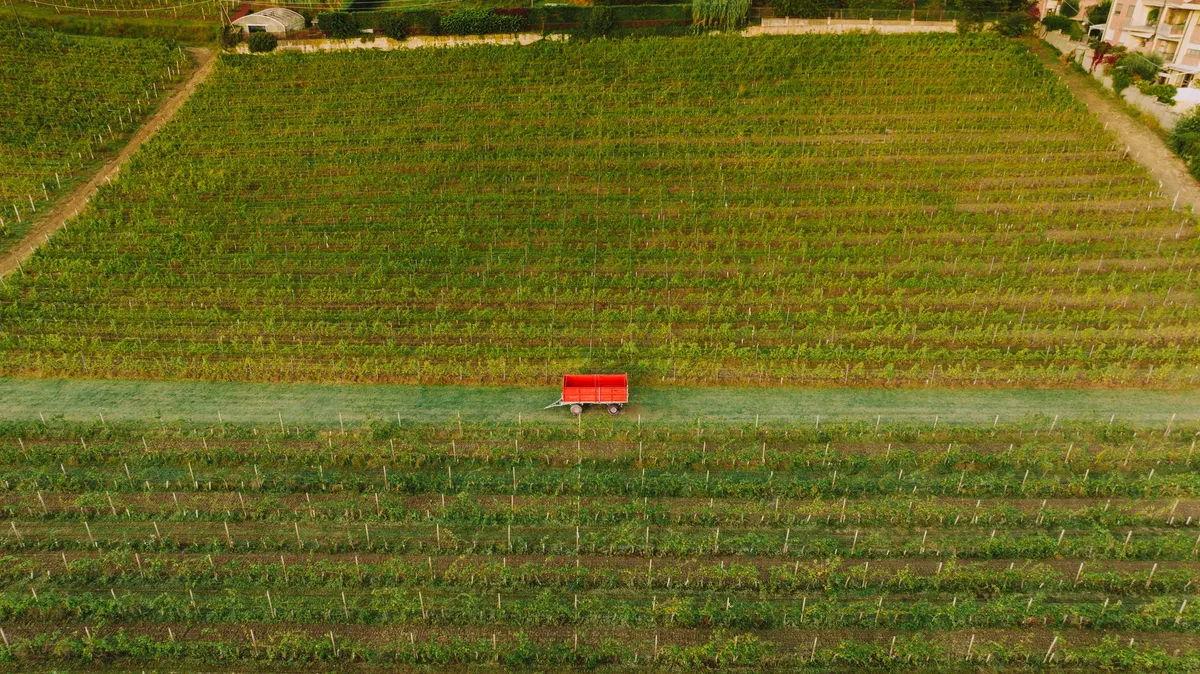
This small-scale nature makes it difficult to implement large-scale industrial changes. Sustainable farming innovation must therefore focus on tools and methods that work for smallholders.
What is the comparison of land use and employment?
A researcher compares old maps with modern digital surveys. Seeing the relationship between land and labor helps in understanding economic growth through crops.
The relationship between the size of the land and the number of workers shows a significant shift in how the country uses its resources.
| Category | Value |
|---|---|
| Total used agricultural area (2010) | 12,700,000 ha |
| Total agricultural area (2010) | 17,800,000 ha |
I observed that while the land area remains vast, the number of people working it has shrunk significantly compared to the 19th century.
What are the limitations of these plans?
A technician checks a sensor in a field during a sudden rainstorm. A concrete limitation is the high concentration of land use in specific regions.
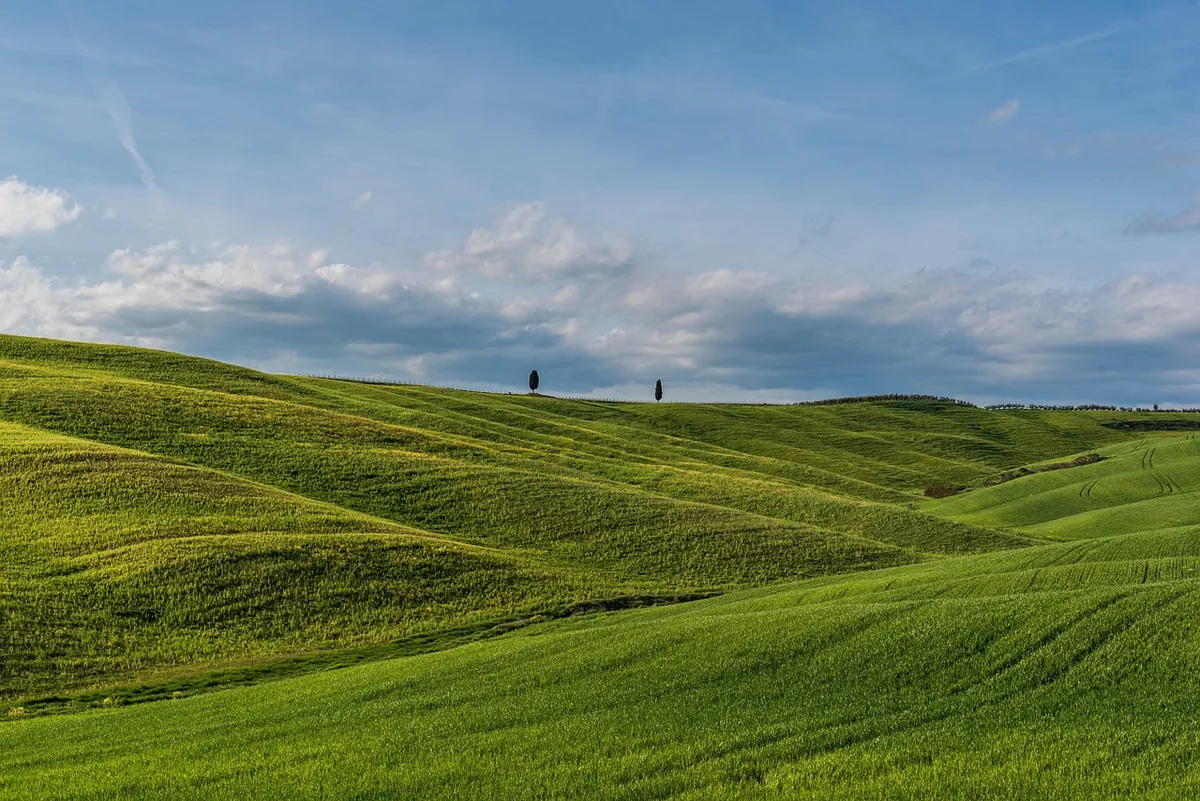
The geographic distribution of land creates logistical challenges. In 2010, the Italian agricultural area was 17,800,000 hectares, and 63% of this was concentrated in Southern Italy.
The plan's effectiveness is limited by the small average size of 8 hectares per farm. This fragmentation can hinder the widespread adoption of expensive, large-scale machinery.
- How will Italy boost farm output 2026?
- How is the land being used right now?
- How does the workforce look in the agricultural sector?
The same subject is also called Future farming in Italy.
Government policy for farm tech
Related
- Italy air pollution days off: How to Guide Health Risks
- Italy single use item impact: How to guide economic shifts
How does the small-scale structure impact modernization efforts in the Italian landscape? The small-scale structure presents a specific hurdle for technological modernization within the Italian landscape. Because the average farm size is only 8 hectares, implementing industrial-sized machinery proves challenging for the majority of operations. This fragmentation necessitates that innovation focuses on methods suitable for smallholders rather than large-scale industrial solutions.
What conditions affect the demographic makeup of the Italian farming workforce? The demographic makeup of the Italian farming workforce reflects a substantial historical decline. Employment in the sector dropped drastically from 43% in 1860 to a mere 3.8% by the year 2000. This contraction highlights the profound shift in the economic role of agriculture in the Italian landscape.
The concentration of workers in Southern Italy, where 46.8% of the agricultural employees resided in 2010, indicates regional disparities in the Italian farming sector.
Furthermore, the historical predominance of men in the workforce, accounting for 71.3% in 2010, suggests enduring gender patterns within the Italian landscape's labor force.
The strategic use of existing land shares is crucial for maintaining the economic relevance of the Italian landscape despite the shrinking workforce. This management of land must align with the realities of small, family-run plots.





Comments 0