Italy fresh concept art: Guide to cultural preservation tips
"The peninsula is in the centre of the Mediterranean, forming a corridor between Central Europe and North Africa."
Italy is currently redefining its cultural and economic landscape through a blend of traditional heritage and modern technological integration. This shift involves leveraging deep-rooted intangible assets alongside high-tech manufacturing to establish a new direction for European influence.

Key takeaways include the recognition of traditional lifestyle as heritage, the integration of high-technology in exports, and the preservation of diverse regional customs.
How does Italy leverage its heritage for a new direction?
A traveler walks through a sun-drenched piazza in Sicily, where the scent of traditional cuisine fills the air. Italy has long used its rich history to shape its global identity, but this is evolving into a structured approach to cultural preservation.
In 2013, UNESCO, prompted by Italy, added the Mediterranean diet to the Representative List of the Intangible Cultural Heritage of Humanity of Italy, Morocco, Spain, Portugal, Greece, Cyprus, and Croatia.
This recognition highlights how lifestyle trends Italy maintains can serve as a bridge between history and modern wellness. By elevating dietary traditions to global heritage status, the nation reinforces its cultural authority.
- Identify core traditional values.
- Integrate modern design principles.
- Rebrand historical assets for global markets.
What role does technology play in this fresh concept? Italy fresh concept art
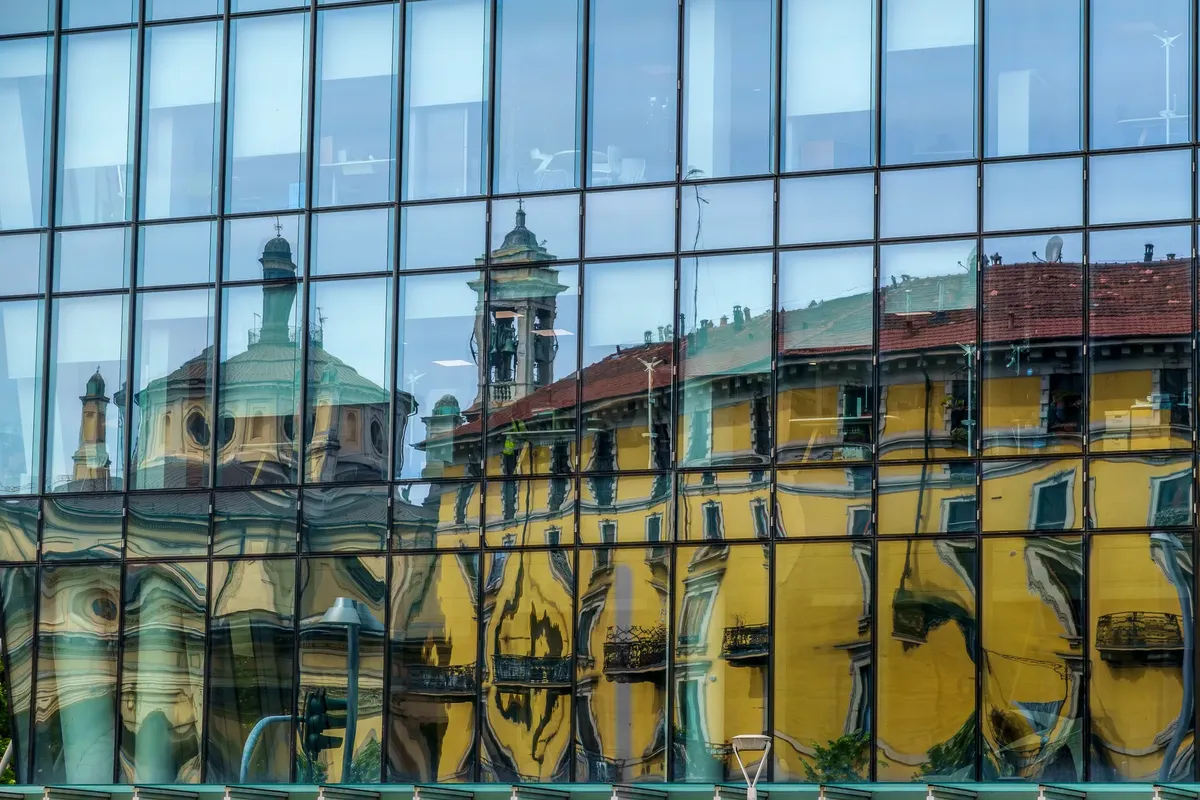
An engineer inspects a precision-machined component in a Northern Italian factory. While tradition remains a cornerstone, the nation is simultaneously carving a path through advanced industrial output.
According to World Bank data, Italy recorded high-technology share of manufactured exports of 11.9% in 2024. This figure demonstrates that the nation is not solely reliant on its past but is actively participating in the global high-tech economy.
Integrating these modern capabilities with traditional craftsmanship represents a core part of the Italy art modern values.
In this sequence, the second step is the most extensive.
How are regional festivals preserved as living history?
A group of villagers gathers in Viterbo to prepare for a massive, illuminated procession. The vibrant energy of local celebrations ensures that history remains a living, breathing entity rather than a static museum exhibit.

In 2013, UNESCO included among the intangible cultural heritage Italian festivals and pasos, such as the Varia di Palmi, the Macchina di Santa Rosa in Viterbo, and faradda di li candareri in Sassari.
These specific traditions demonstrate how localized customs contribute to a broader national identity. Such festivities ensure that fresh concepts in cultural management remain grounded in community engagement.
How does geography shape this cultural evolution?
A ship sails along the rugged coastline, moving between the diverse landscapes of the Mediterranean. The unique position of the peninsula has always dictated the flow of ideas and people.
As the peninsula is in the centre of the Mediterranean, forming a corridor between Central Europe and North Africa, it has historically acted as a crossroads. This geographic reality has allowed for a constant exchange of ideas, which is vital for artistic value Italy trends.
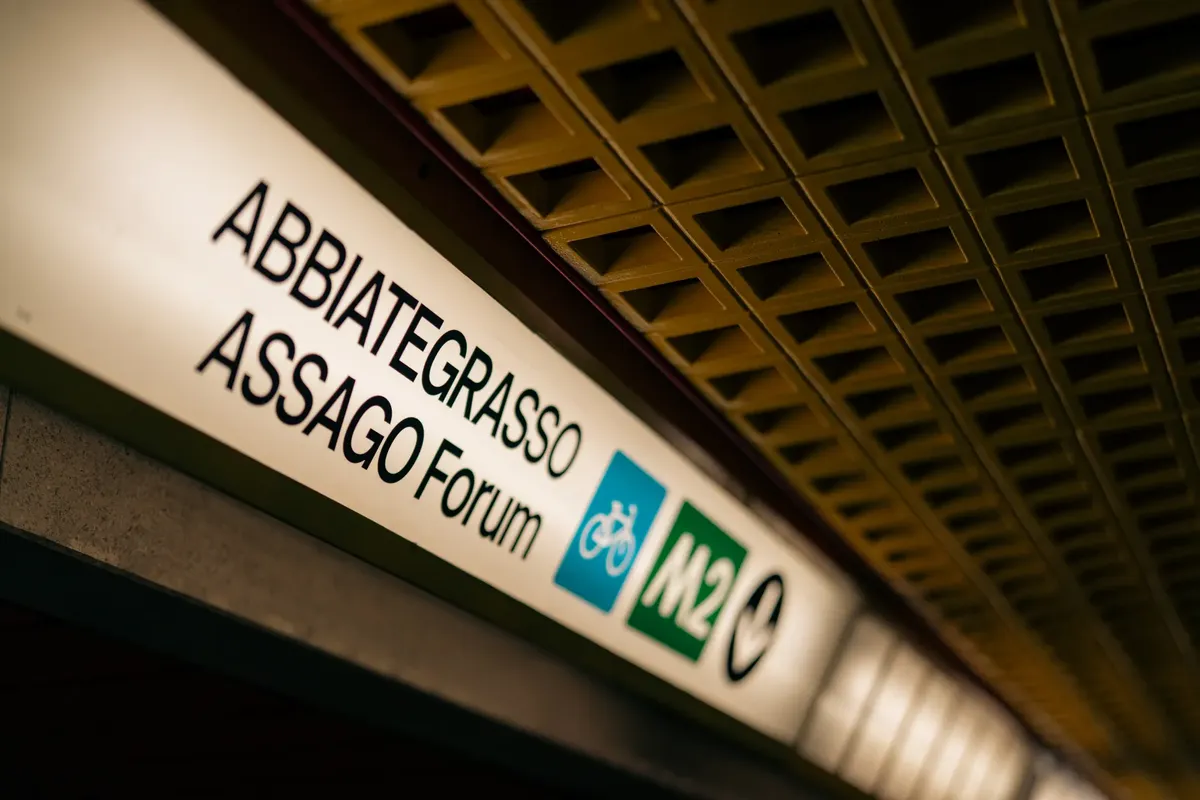
The intersection of different worlds provides a constant source of renewal for its social fabric.
What are the steps to maintaining this balance?
A curator carefully adjusts the lighting on a sculpture in a quiet museum hall. Balancing the weight of history with the needs of a modern economy requires a deliberate strategy.
- Formalize intangible traditions through international recognition to secure their global standing. 2. Invest in high-technology manufacturing to ensure economic relevance in a digital age. 3. Protect regional festivals to maintain the social cohesion that fuels cultural life.
I observed how these distinct threads of technology and tradition weave together to form a cohesive national strategy.
What are the limitations of this cultural direction?
A researcher looks over a map of the peninsula, noting the vast differences between the Alps and the southern coasts. While the strategy is broad, it must account for significant regional diversity.
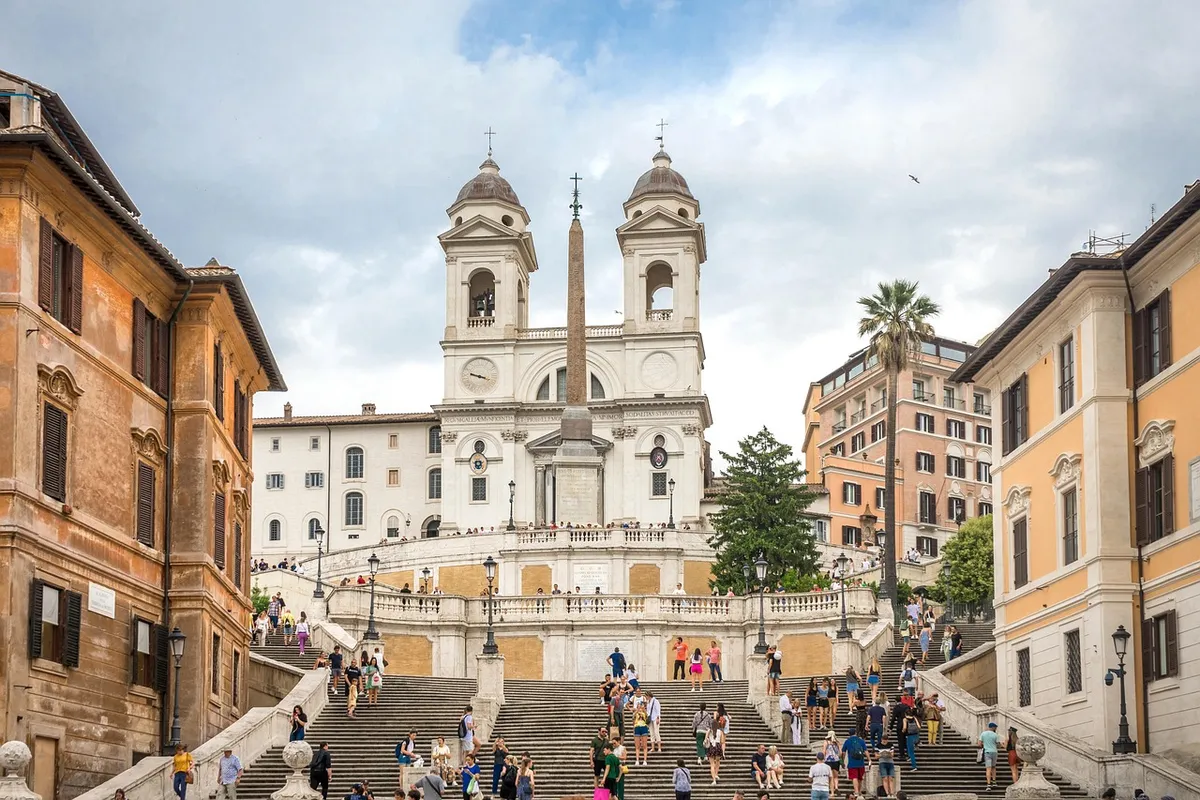
The success of this direction depends on managing the vast differences in regional economic development and climate. For instance, winter temperatures vary from 0 °C (32 °F) in the Alps to 12 °C (54 °F) in Sicily.
These environmental and economic disparities mean that a single policy may not apply to every province.
The subject here is Italy fresh concept art.
The same subject is also called Italian culture new direction.
The same subject is also called Modern art in Italy.
The same subject is also called Lifestyle trends Italy art.
The same subject is also called Cultural innovation Italy.
This part also covers Fresh concepts Italian society.
Italy art modern values
Related
- Sustainable diets guide for health and planetary wellbeing
- World Cup debate: Italy Iran World Cup debate tips for fans
How does the peninsula's position influence its identity?
The peninsula's location in the centre of the Mediterranean serves as a primary driver for its cultural exchange. This geographic position creates a natural corridor between Central Europe and North Africa, which facilitates the movement of ideas.
Because the peninsula is in the centre of the Mediterranean, it functions as a bridge. This condition allows the nation to integrate diverse influences into its own identity.
What are the risks of regional disparities?
Significant differences in climate and economic development pose a challenge to a unified national strategy. The success of the current direction depends on how well these disparities are managed.
One must caution that a single policy may not be effective across all provinces due to varying conditions. For example, the temperature in the Alps differs from the climate in Sicily, requiring careful consideration of local needs.




Comments 0