Sustainable diets guide for health and planetary wellbeing
"Sustainable diets are food choices that support life and health within natural system limits into the foreseeable future."
This approach involves balancing human nutritional needs with the preservation of planetary health through systemic changes in how we consume and produce food.
Key takeaways: 1. Sustainable diets aim to achieve optimal growth, development, and functional wellbeing while preventing malnutrition. * 2. A core component involves promoting biodiversity and planetary health through responsible food choices.
What actually makes a diet sustainable?

At dawn, I tap my pen against the wooden desk while pondering how a diet can remain truly sustainable. A researcher sits at a desk, flipping through various international guidelines to find a common thread in nutritional definitions. The essence of a sustainability-focused diet lies in its dual responsibility to the individual and the environment.
This comprehensive view ensures that human health is not pursued at the expense of the planet.
How did global organizations shape these dietary guidelines?
I walk through the echoing conference hall at noon, feeling the cool air as I contemplate how global entities shaped these sustainable guidelines.
An official walks through a conference hall, noting the various international players working toward a unified nutritional standard. The development of these guidelines has been a collaborative, multi-decade effort involving major global entities.
In 2014, the FAO/WHO Second International Conference on Nutrition placed sustainable diets and transformation of food systems as focuses of the UN Decade of Action on Nutrition 2016–2025. This period marked a significant shift toward systemic change in global nutrition.

In 2019, the FAO and WHO collaborated once again to develop a set of guidelines for sustainable diets and their implementation worldwide. These efforts aim to provide a roadmap for different cultures to adopt healthy, planet-friendly eating habits.
How can policy drive sustainable eating? A policymaker reviews a stack of documents, looking for ways to translate scientific advice into actionable national guidelines. Policy serves as the bridge between scientific research and the daily choices made by citizens.
In July 2022, the European Commission asked its Scientific Advice Mechanism to deliver evidence-based recommendations for new policies to promote sustainable diets in Europe. This request highlights the importance of using scientific data to drive legislative change.
In June 2023, the Scientific Advice Mechanism to the European Commission recommended that countries should "generalise the inclusion of sustainability criteria in national dietary guidelines".
This recommendation seeks to embed environmental considerations directly into the standards used to guide public health.
How can individuals apply these principles to their daily lives?
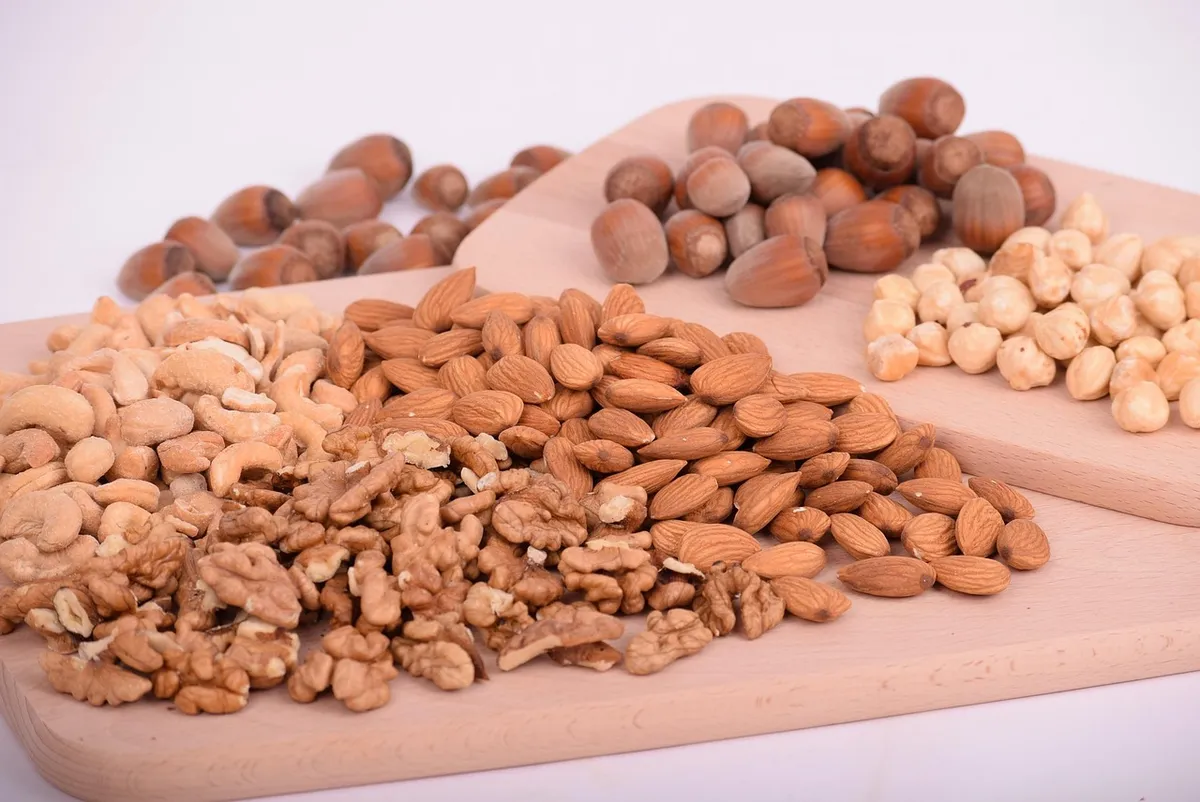
A person stands in a kitchen, carefully selecting fresh ingredients while considering the environmental footprint of their meal. Applying these principles requires a balance of nutritional density and environmental awareness.
- Focus on achieving optimal growth and functional wellbeing through nutrient-dense foods. 2. Prioritize choices that support biodiversity and planetary health to ensure long-term sustainability. 3. Integrate sustainability criteria into personal meal planning to prevent malnutrition and promote health.
One should always check if the chosen foods support the long-term health of the natural systems they rely on. My own approach involves looking at the source of ingredients to ensure they align with these global goals.
What are the limitations of current dietary frameworks?
A student examines a data set, noting the complexities of applying broad guidelines to diverse global populations. While guidelines provide a necessary structure, they must account for various regional and social realities.
One limitation is that the effectiveness of these guidelines depends heavily on the specific environmental and social context of the region where they are implemented. A single set of guidelines may not account for all local biodiversity or unique nutritional needs.
| Focus Area | Objective |
|---|---|
| Human Health | Optimal growth, development, and functional wellbeing |
| Planetary Health | Promotion of biodiversity and natural system stability |

- Sustainable diets represent a shift toward food choices that support life and health within natural system limits.
- According to the FAO, sustainable diets are described as "food choices that support life and health within natural system limits into the foreseeable future."
- This definition ensures that dietary choices remain viable for future generations by staying within the bounds of natural systems.
Italian high protein places
The subject here is Italian high protein places.
The same subject is also called Protein diet social spots.
The same subject is also called Italian food culture sites.
The same subject is also called High protein dining areas.
The same subject is also called Dietary place meaning Italy.
This part also covers Protein diet and place meaning.
This part also covers Italy's health food spots.
This part also covers Social meaning of protein diet.
Protein diet and place meaning
Related
- High protein diet health issues: Guide to 100 mg LDL-C
- Generational Divide: Modernity vs. Roots in Italian Society




Comments 0