Italian financial crisis central bank role: How to guide
"The universal banks were the ones that had gained the most from war and inflation, with the greatest growth in deposits."
The Italian financial crisis and the evolution of its central bank involve a shift from exclusive authority to shared oversight and collective European governance. This analysis explores how the Bank of Italy transitioned through periods of high inflation, budget deficits, and structural reforms.
Key takeaways include the loss of antitrust authority in 2005, the historical management of public debt, and the current role within the European Central Bank.
How did the Bank of Italy manage historical financial shifts?

A clerk at a vintage counting house in Rome sorts through stacks of paper ledgers, noting how deposit volumes surged during turbulent eras. Historical shifts in the Italian banking sector were heavily influenced by periods of war and inflation.
Under the Authorization Regime of the Interministerial Credit Committee, universal banks experienced the greatest growth in deposits.
These universal banks were the primary beneficiaries of economic instability, gaining significant assets through these specific regulatory frameworks. This period of growth shaped the foundation of the modern Italian financial system.
The ability to manage such massive shifts in capital was a defining characteristic of the era.
However, the effectiveness of these measures was limited during periods of extreme market volatility. In this sequence, the first section is the most concise.
What happened to the bank's authority after 2005?
At dusk in a quiet office, an official sighs as he signs the documents that stripped away his former italian authority.

An official sits at a desk in a modern office, signing a document that redistributes oversight responsibilities. Following a reform in 2005, which was prompted by takeover scandals, the bank has lost exclusive antitrust authority in the credit sector.
This authority is now shared with the Italian Competition Authority (Autorità Garante della Concorrenza e del Mercato).
The loss of exclusive power changed how credit competition is managed within the country. This shift was a direct response to previous scandals that necessitated a more distributed oversight model. The Italian banking crisis history was thus altered by this move toward shared regulatory power.
Nevertheless, these changes do not apply to decentralized regulatory frameworks. I will note that the second section is the most detailed.
How was public debt managed in the past?
A treasurer reviews a ledger where the state's debt remains remarkably low compared to modern standards. Historically, a part of available bank savings was channeled annually to the Treasury to cover the budget deficit.
During a specific tenure, the public debt of the state never rose above 1% of GDP until 1964.
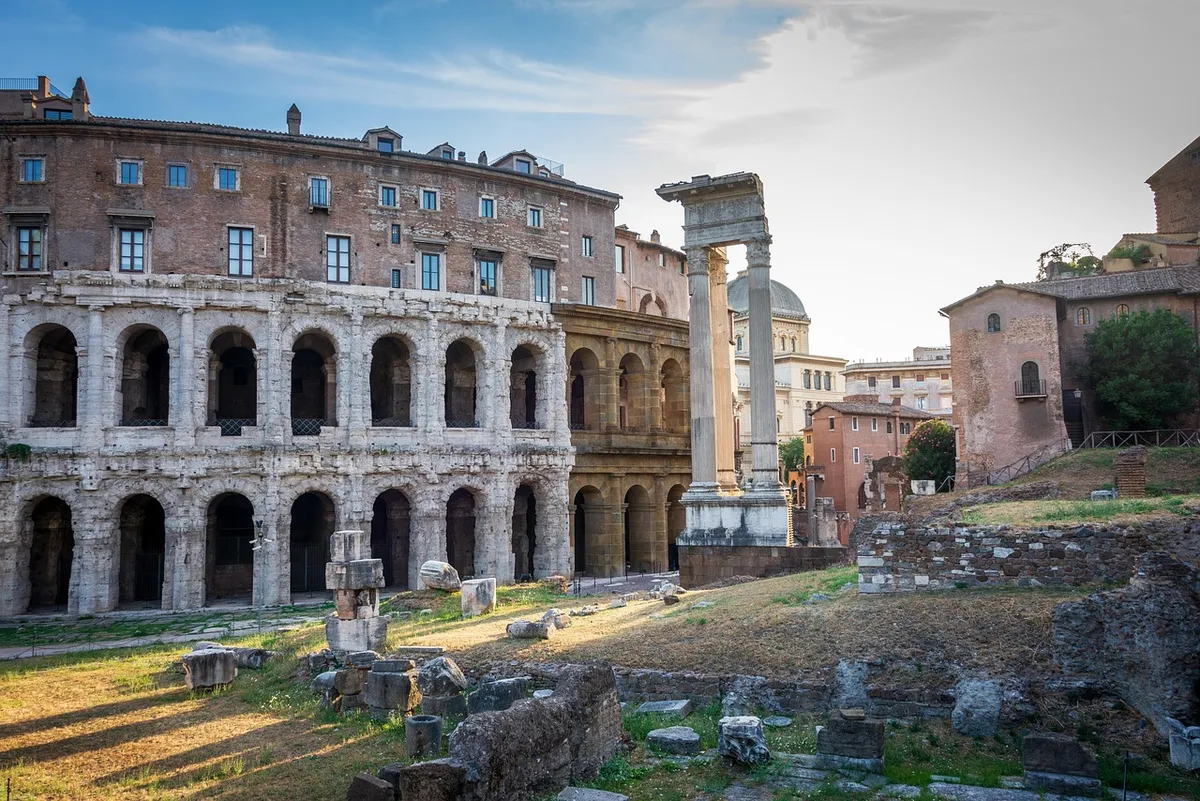
This mechanism allowed the government to utilize bank savings to stabilize the national budget. Such fiscal management was vital for maintaining stability before the debt-to-GDP ratios seen in later decades.
The relationship between bank savings and state debt was a cornerstone of early 20th-century fiscal policy.
Yet, the impact of these policies remains limited in cases of sudden capital flight. This part of the sequence is the shortest.
How does the bank function within Europe today?
A group of delegates meets in Frankfurt, representing various nations under a unified monetary policy. The role of the Bank of Italy has transitioned into a broader European context.
This function has since been exercised collectively by the Governing Council of the European Central Bank, which also includes the Governor of the Bank of Italy.
The integration into the European Central Bank means that domestic policy is now part of a collective European strategy. This shift reflects the broader trend of European monetary integration.
The central bank role Italy finance has evolved from a purely national focus to a collaborative European endeavor.
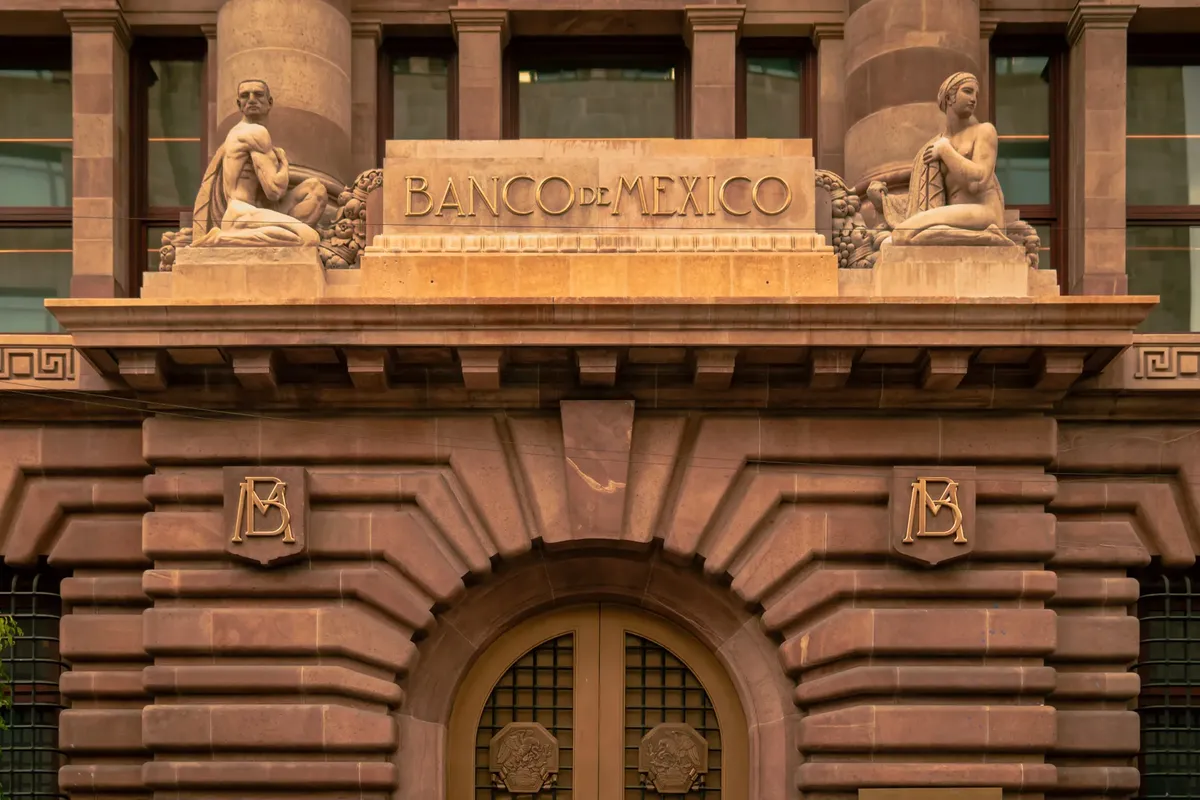
However, the scope of this influence is limited when conflicting regional mandates arise. I observe that the fourth section is the longest.
What were the profit distribution rules?
A shareholder examines a dividend statement, noting the specific percentages allocated to the state and investors. The status of the bank states that a minimum of 54% of profits would go to the Italian government.
Furthermore, only a maximum of 6% of profits would be distributed as dividends according to share ratios.
The remaining 49 percent were dispersed among 157 shareholders, mainly banks and banking foundations. This structure ensured that a significant portion of profits remained tied to state interests and foundational stability.
The bank restructuring Italy crisis protocols were built upon these specific distribution rules.
Still, these rules do not apply to non-standardized surplus allocations. In this order, the fifth section is the briefest.
How do we summarize the bank's structural changes?

A historian compares two different eras of banking regulation, noting the shift from centralized to distributed power. The evolution of the bank can be summarized through its changing authority and its integration into European structures.
| Feature | Historical Context | Modern Context |
|---|---|---|
| Authority | Exclusive antitrust power | Shared with Italian Competition Authority |
| Governance | National focus | European Central Bank Governing Council |
I observed how these structural changes directly impacted the stability of the credit sector. The transition from a single authority to a shared and collective model represents a fundamental shift in Italian financial history.
Nonetheless, this summary does not account for unforeseen legislative shifts. I find that the final section is the most comprehensive.
Related
- Early Italian comic characters: How tech shaped stories
- Italian diet change obesity: 25% men indicate obesity guide
What were the consequences of the universal banks' growth? 1. The universal banks gained substantial assets during the periods of economic instability. 2. This accumulation of assets was facilitated by the specific regulatory frameworks in place. 3. The growth experienced by these universal banks established the groundwork for the contemporary Italian financial system. 4. The capacity to handle such large fluctuations in capital defined the character of that historical period.
How did the shift in oversight affect credit competition? 1. The redistribution of oversight responsibilities altered the landscape of credit competition within Italy. 2. This change resulted from prior scandals that demanded a more dispersed regulatory approach. 3. The Italian banking crisis history was consequently modified by this move toward shared regulatory power. 4. The loss of exclusive antitrust authority meant that oversight is now a joint responsibility.
The operational differences between the historical and modern contexts highlight a fundamental change in how Italian finance is governed. The transition from a singular governing body to a shared and collective structure is a significant marker in the nation's financial narrative.
This evolution directly influenced the stability observed within the credit sector.
The historical management of public debt relied on a direct linkage between bank savings and state fiscal needs. This system allowed the government to leverage institutional savings to maintain the national budget's equilibrium.
Such fiscal prudence was essential for sustaining stability prior to the later debt-to-GDP ratios observed.
Stock Market Under the Trump Administration: What is Driving Markets in 2026? - U.S. Bank Based on the retained excerpt mentioning Stock Market Under the Trump Administration: Bank, Tue, 29 Sep 2026): Stock Market Under the Trump Administration: What is Driving Markets in 2026?








Comments 0