Tourism growth guide: Italy post-World Cup tourism
"The momentum of global sporting events often creates a ripple effect that extends far beyond the final whistle."
Italy is currently experiencing record-breaking tourism levels in 2026, driven by seasonal surges and the momentum of major international events. This report examines how the nation manages these record numbers and the potential for long-term growth through strategic regional engagement.
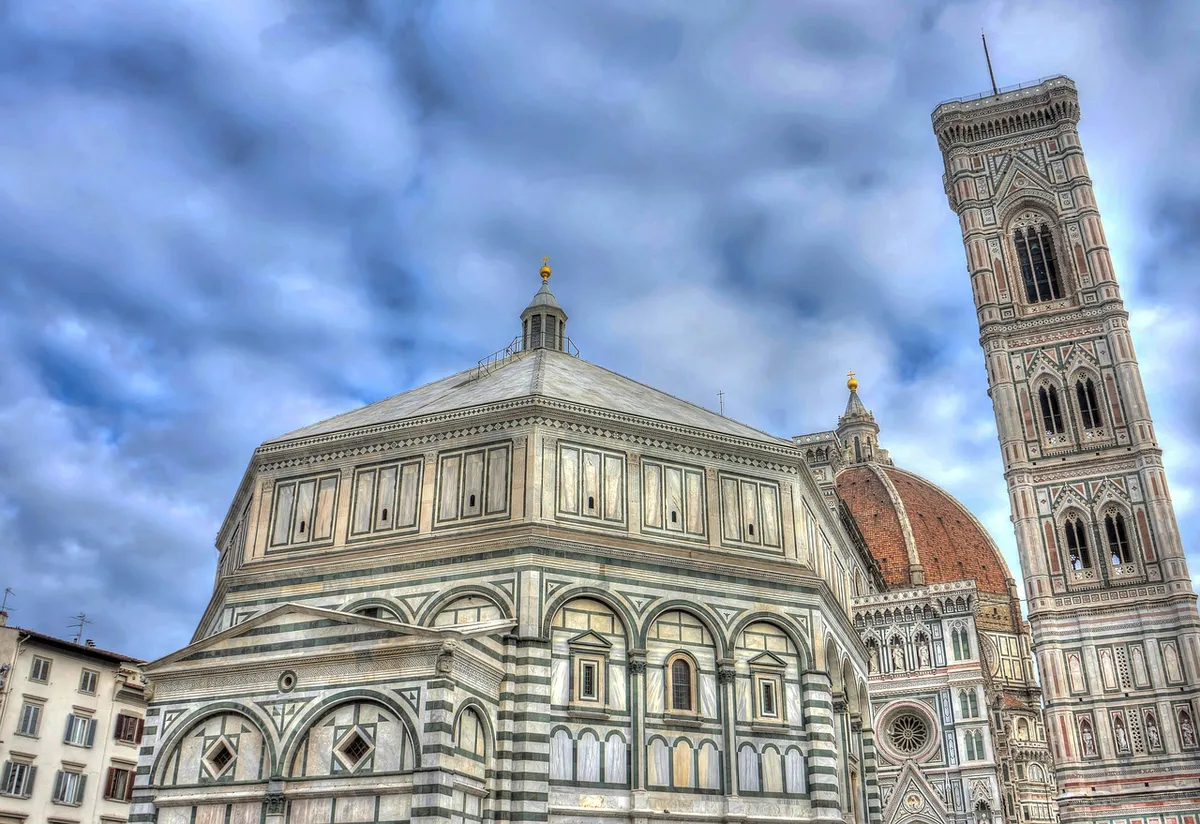
Key takeaways include the achievement of record visitation in specific regions, the economic scale of recent arrivals, and the necessity of managing peak demand across different territories.
How is Italy managing record tourism?
A traveler stands in a crowded terminal, checking a flight schedule that seems to pulse with constant movement.
This surge indicates a massive influx of visitors across the peninsula.
Managing such a high volume of visitors requires balancing infrastructure with regional popularity. The current level of interest suggests that Italy is successfully capturing a massive share of the European travel market.
This influx represents both a triumph of branding and a logistical challenge for local municipalities.
Which regions are growing the most? Italy post-World Cup tourism A hiker pauses on a coastal path in Sardinia, looking out over the turquoise Mediterranean waves. Figures from the Interior Ministry suggest that 2026 is shaping up to be a record year for tourism in Italy, particularly in Sardinia.
According to the Italian Interior Ministry, tourism has reached record levels in 2026, with the region of Calabria leading the way.
This specific regional growth highlights how certain destinations can become magnets for international travelers.
While some areas experience intense density, others are beginning to emerge as primary hubs. This distribution shows that the surge is not limited to traditional northern hubs.
| Region | Status |
|---|---|
| Sardinia | Record-breaking interest |
| Calabria | Leading growth |
I observed how the sudden density in coastal areas changes the pace of daily life for locals.
How big is the economic scale of this movement? An economist reviews a spreadsheet of historical arrival data to understand the current economic trajectory. According to World Bank data, Italy recorded international tourist arrivals of 38,419,000 in 2020.
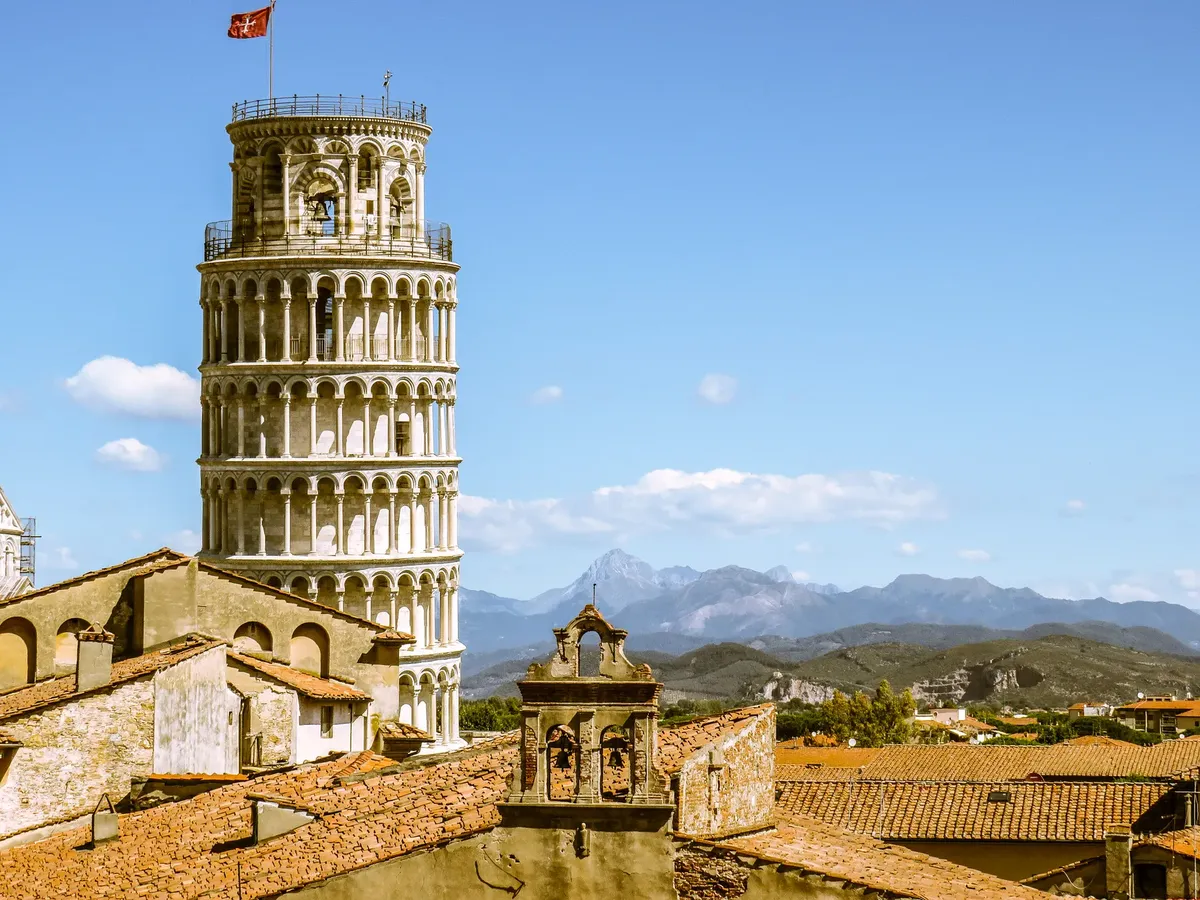
Comparing these historical figures to the current 2026 peak helps quantify the growth in the travel sector.
The scale of these movements dictates the level of investment needed in transport and hospitality. Understanding these shifts is essential for long-term economic planning. Tracking these numbers allows for better preparation for future seasonal peaks.
How does this relate to the 2026 World Cup?
A fan watches a live broadcast of the tournament, noting the excitement surrounding the global schedule. The FIFA World Cup draw was held on December 5, 2025, at the Kennedy Center in Washington, D.C.
While the tournament itself is a global event, the timing of such massive gatherings often coincides with peak travel windows.
The intersection of sports and travel creates unique opportunities for engagement. Italy post-World Cup tourism is often influenced by the visibility gained during such massive global spectacles. Leveraging these moments can help sustain interest throughout the year.
What are the steps to maintain this momentum?
A local business owner prepares the storefront, anticipating a steady stream of new customers. To ensure the stability of the tourism industry, several strategic steps can be followed:
- Diversify travel offerings to include lesser-known regions, preventing overcrowding in primary hubs. 2. Invest in sustainable infrastructure to manage the environmental impact of record-breaking visitor numbers. 3. Implement digital tools to streamline visitor flow and improve the overall travel experience.
A final check of local capacity against visitor numbers ensures that the quality of life for residents is maintained alongside economic growth. Sustaining this level of interest requires a delicate balance between growth and preservation.
- How is Italy managing record tourism?
- Which regions are growing the most?
- How big is the economic scale of this movement?
The same subject is also called 2026 World Cup tourism boost.
The same subject is also called Italy tourism after WC.
The same subject is also called Post-WC tourism strategy Italy.
The same subject is also called Revitalizing Italian travel.
This part also covers Italian tourism economic growth.
This part also covers Innovative travel plans Italy.
Italian tourism economic growth
Related
- What drives the Italian tourism media rise?
- What role does climate play in Italian sports events travel?
What are the cautions associated with this global momentum?
Maintaining the positive momentum requires careful attention to the environmental impact of the increased visitor volume. The implementation of sustainable infrastructure is a necessary precaution to mitigate negative effects on sensitive ecosystems.
Local municipalities must address the logistical challenges presented by this massive influx of people.
Comparing the current demand to local capacity reveals a critical condition that must be managed. If the growth continues unchecked, the quality of life for residents could decline despite the economic benefits. This delicate balance is essential for long-term success.
Strategic regional engagement helps distribute the tourist load, which is a procedural step to prevent over-saturation in popular spots. This proactive approach manages the ripple effect of the global sporting events.
How does regional engagement support the momentum?
Diversifying travel offerings to include lesser-known regions serves as a primary procedural step in managing the tourism surge. This strategy helps prevent the intense density observed in traditional northern hubs. The success of this regional approach supports the overall momentum of the industry.
Investing in infrastructure across various territories ensures that the economic scale of arrivals is supported by adequate services. This investment directly addresses the logistical challenge inherent in handling record visitation.
This comparative investment allows for a more balanced distribution of economic benefit.
The necessity of managing peak demand across different territories is underscored by the growth seen in Calabria alongside Sardinia. This distribution demonstrates that the positive momentum can be channeled across the peninsula.




Comments 0