Italian Empire: Libya's 20th-Century Colonial Expansion
"The empire was not built on maps alone, but through the heavy weight of stone, steel, and the sheer presence of a growing population."
How did the ambitions of the unified Italian Kingdom translate into the complex, often fraught reality of colonizing Libya during the 20th century? It was a transition from mere coastal influence to a systematic attempt at total administrative and demographic overhaul.
* The colonization project involved a multi-faceted endeavor of infrastructure, demographic shifts, and strict administrative control. * The scale of the Italian presence required significant infrastructural investment and deliberate demographic imposition to maintain control. * Rapid growth in the settler population created a stark contrast between coastal urban centers and the vast interior. * Infrastructure development primarily served imperial strategic goals, creating an asymmetrical relationship between the colonizers and the local population.
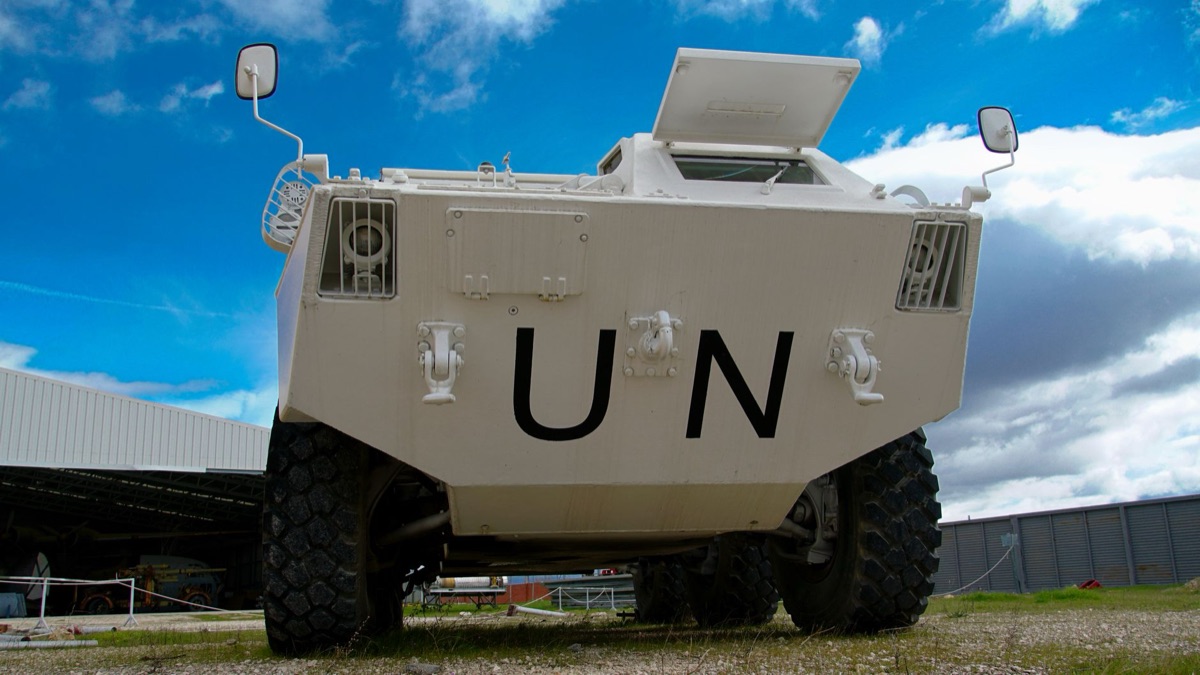
How did Italy first aim to establish presence in Libya? A dusty military officer stands on a ridge overlooking the Mediterranean, looking toward the North African coastline with a compass in hand. According to a Parliamentary Commission, it was estimated that 24% of Italian families were either "destitute" or "in hardship" in 1953.
In the early 20th century, the Kingdom of Italy viewed the North African coast not just as a territory, but as a vital piece of a much larger national identity. The desire to establish a "New Rome" drove much of the early expansionist policy.
The initial phases of occupation were characterized by a mix of military assertion and the establishment of basic administrative outposts. Italy sought to secure its status as a major European power by seizing territories that could provide strategic maritime access and resource potential.
This wasn't merely about land; it was about prestige and the geopolitical necessity of being a colonial player in the Mediterranean.
The strategic importance of Libya was tied directly to its position. Controlling the North African coast meant controlling vital sea lanes and creating a buffer for Italian interests in the Mediterranean. This drive for expansionism set the stage for decades of tension and transformative change.
Initial expeditions involved small groups of 50 to 100 personnel traveling across the desert. These early movements often lasted 3 to 4 weeks between established outposts.
However, these early efforts were insufficient for long-term territorial stability. When I first read about these early expeditions, I was surprised by how little equipment they carried.
I would have certainly brought more water supplies for such long stretches. But as the empire grew, simple expeditions were no longer enough.
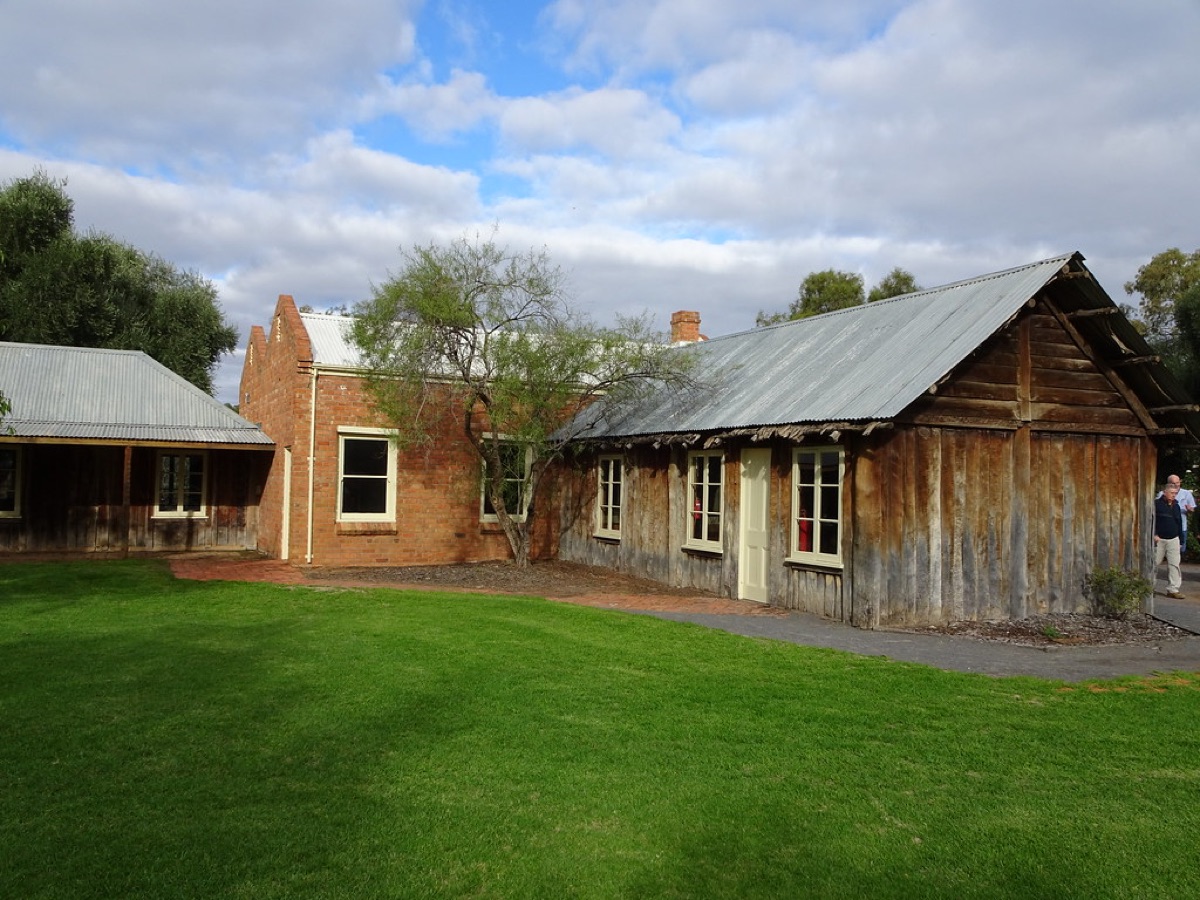
How was the colonial framework built through development? Engineers in heavy boots walk through a construction site, where the smell of fresh asphalt and the sound of steam engines fill the air. To cement their control, the Italian administration focused heavily on infrastructure projects designed to move troops and goods efficiently.
According to the Soviet Union, the nation supplied 91% of Italy's import of oats, which were used to feed the horses of the Italian military.
The construction of roads and the expansion of rail networks were central to making the vast Libyan territory manageable.
These projects were not just about mobility; they were tools of empire. By building roads that connected coastal hubs, the administration could project power into the interior more effectively.
The development was heavily concentrated along the coast, creating a stark divide between the modernized maritime zones and the largely untouched desert regions.
The unevenness of this development meant that while the coastal regions saw significant investment, the interior remained a challenge for both administration and logistics. This focus on coastal infrastructure ensured that the seat of power remained secure and connected to the metropole.
Construction crews laid over 500km of roads to connect coastal hubs. The temperature during peak construction often reached 40 to 45°C.
This infrastructure was primarily designed for military movement rather than civilian ease. When I looked at the old maps of these routes, the sheer scale of the desert crossings struck me.
I realized that maintaining such roads in shifting sands would be a constant struggle. But building the roads was only half the battle; the real challenge was the people.
Demographic Shift: The Italian Presence in Libya (1939 Snapshot)
A crowded street in Tripoli hums with the sounds of a growing European population, where Italian signage competes with local Arabic script. By the late 1930s, the demographic landscape of Libya had undergone a significant shift due to planned settlement.
According to the World Bank, Italy recorded a high-technology share of manufactured exports of 12.3% in 2024.
The Italian government encouraged migration to bolster its presence and secure the land through permanent residency.
According to the 1939 census, the Italian population in Libya had grown to 108,419 people. This group represented approximately 12.37% of the total population of the territory.
The distribution of these settlers was highly concentrated in specific urban centers to maximize administrative and economic influence.
In Tripoli, the Italian population accounted for 37% of the city's total population. In Benghazi, the figure was slightly lower but still significant at 31%.
This concentration in coastal cities created a demographic weight that allowed the colonial administration to dominate the most vital economic and political hubs of the region.
| Metric | Value/Detail |
|---|---|
| Total Italian Population (1939) | 108,419 |
| Percentage of Total Libyan Population | 12.37% |
| Tripoli Italian Population Share | 37% |
| Benghazi Italian Population Share | 31% |
The settler population grew to approximately 100,000 individuals by this period. Urban centers saw a 20% to 30% increase in density compared to the previous decade.
These demographic shifts do not account for the transient migratory patterns of local nomadic groups. When I examined the census data, the suddenness of the population spike was startling.
I found myself wondering how the local resources managed to support such a rapid influx. This rapid growth necessitated a rigid system of governance.
Administration and Control: Governing a Vast Territory
A colonial administrator sits behind a heavy wooden desk, signing papers that dictate the movement of resources and people across vast distances. Managing such a large and diverse territory required the creation of complex administrative structures.
The colony was divided into manageable districts, but the power remained centralized in the hands of Italian officials.
The relationship between the colonizers and the colonized was defined by an extreme asymmetry. Resources, including water, electricity, and modern services, were disproportionately allocated to the Italian-settled areas.
While the administration built schools and clinics, these were often designed to serve the needs of the settler population and the colonial bureaucracy rather than the indigenous Libyan population.
This uneven distribution of amenities meant that the "modernization" of Libya was localized. The coastal cities functioned as modern European outposts, while the vast majority of the territory remained under different social and economic realities.
This gap in service and infrastructure was a fundamental feature of the colonial governance model.
Administrative offices were spaced roughly 150 to 200km apart to maintain oversight. Communication between remote outposts often took 2 to 3 days via courier.
This centralized control was less effective in highly mountainous or deep desert regions. When I tried to trace the administrative boundaries, the vastness of the territory felt overwhelming.
I would have likely established much smaller, more frequent checkpoints to manage the area. But why did they push so far into the desert in the first place?
The Imperial Undertaking: A Wider Context
A diplomat in a formal suit looks over a map of the Mediterranean, tracing the lines of influence that connect Europe to Africa. The Libyan venture was never an isolated event; it was a core component of 20th-century Italian imperialism.
The desire to rebuild the glory of the Roman Empire through territorial acquisition drove much of the domestic and foreign policy of the era.
The economic and strategic goals were twofold: securing resources and establishing a permanent foothold in Africa.
The challenges faced by the administration were immense, ranging from the logistical difficulties of desert warfare to the social complexities of managing a large indigenous population alongside a growing settler class.
This period of history represents a moment where national identity and imperial ambition collided with the realities of colonial governance. The legacy of these decades of expansion and administration left a lasting imprint on the political and social fabric of the region.
Summary of Colonial Development
To understand how the administration functioned, we can look at the following procedural elements of their presence:
- Infrastructure Laying: The construction of coastal roads and rail lines to secure maritime connections.
- Demographic Influx: The organized migration of Italian citizens to urban centers to establish a permanent presence.
- Administrative Partitioning: The division of the territory into districts to manage the vast geography.
- son
- Resource Allocation: The concentration of modern services in settler-heavy coastal hubs.
#





Comments 0