Italy eco tourism future: Tips for sustainable travel growth
The future of Italy eco tourism growth depends on balancing heritage preservation with increasing visitor numbers. This analysis examines the potential for sustainable travel expansion and the structural challenges posed by past volatility. Key takeaways include the impact of historical travel fluctuations, the role of sustainable development goals, and the necessity of managing cultural heritage.
How will Italy eco tourism growth manifest?
At sunset, a hiker brushes through tall grass in rural italy, feeling the warm breeze against their skin.

A traveler walks through a sun-drenched vineyard in Tuscany, feeling the weight of history in the soil. The potential for Italian green travel growth lies in how the nation integrates its vast cultural assets with modern environmental standards.
According to World Bank data, Italy recorded 38,419,000 international tourist arrivals in 2020. This figure highlights the massive scale of the industry that must now pivot toward more sustainable models.
The scale of these movements suggests that future growth will rely on diversifying destinations to prevent overcrowding in historic hubs. This transition is essential to maintain the integrity of the natural and cultural landscapes that draw visitors.
What are the primary challenges for sustainable tourism Italy? Italy eco tourism future
An explorer stands at the edge of a coastal cliff, observing the delicate balance between the sea and the path below. The primary challenge involves managing the tension between high-volume arrivals and the preservation of local ecosystems.
According to the report from ECOS, the real growth rate of the economy was 0.6% as of 2026Q2.
The United Nations World Tourism Organization has estimated that global international tourist arrivals might have decreased by 58% to 78% in 2020, leading to a potential loss of US$0.9–1.2 trillion in international tourism receipts.
Such volatility demonstrates how sensitive the industry is to global shifts.
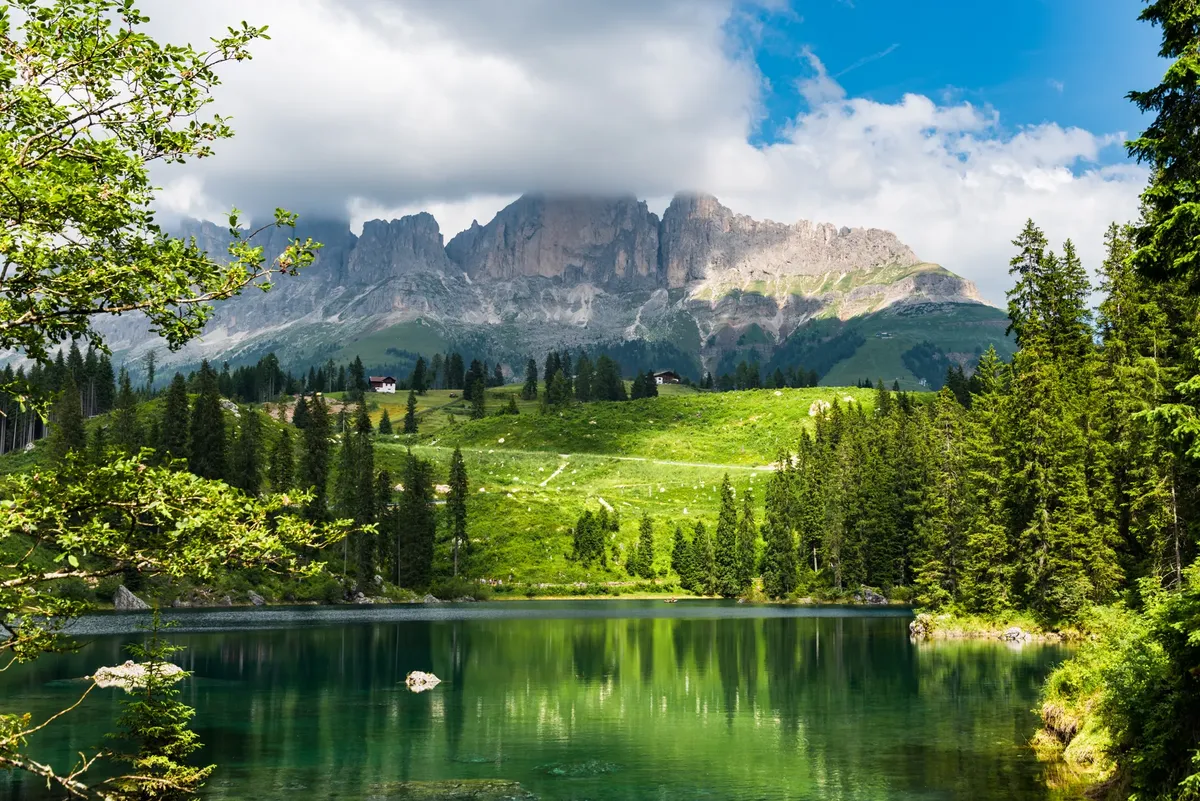
Sustainable tourism Italy requires a strategy that mitigates the risks of sudden fluctuations in demand. Ensuring that local communities benefit directly from visitor spending will be a cornerstone of long-term stability.
How can we address eco tourism challenges Italy?
A local guide points toward a restored ancient olive grove, explaining the importance of land management. Addressing these issues requires a shift from mass tourism toward more intentional, low-impact travel.
The World Tourism Organization (WTO) reported a 70% decrease in international travel in 2020, where 165 of 217 worldwide destinations completely stopped international tourism by April 2020. This historical context underscores the need for resilient, decentralized tourism models.
Future planning must focus on infrastructure that supports eco-friendly transport and waste management. Developing these capacities will be vital for the successful implementation of the future of Italian nature trips.
What role do global goals play in travel?
A student sits in a quiet courtyard, reading about global initiatives and their local applications. Global frameworks provide the roadmap for integrating environmental protection into the travel sector.
The United Nations World Tourism Organization emphasized these practices by promoting tourism as part of the Sustainable Development Goals, through programs such as the International Year for Sustainable Tourism for Development in 2017.
These goals provide a structured approach to balancing economic needs with ecological health.
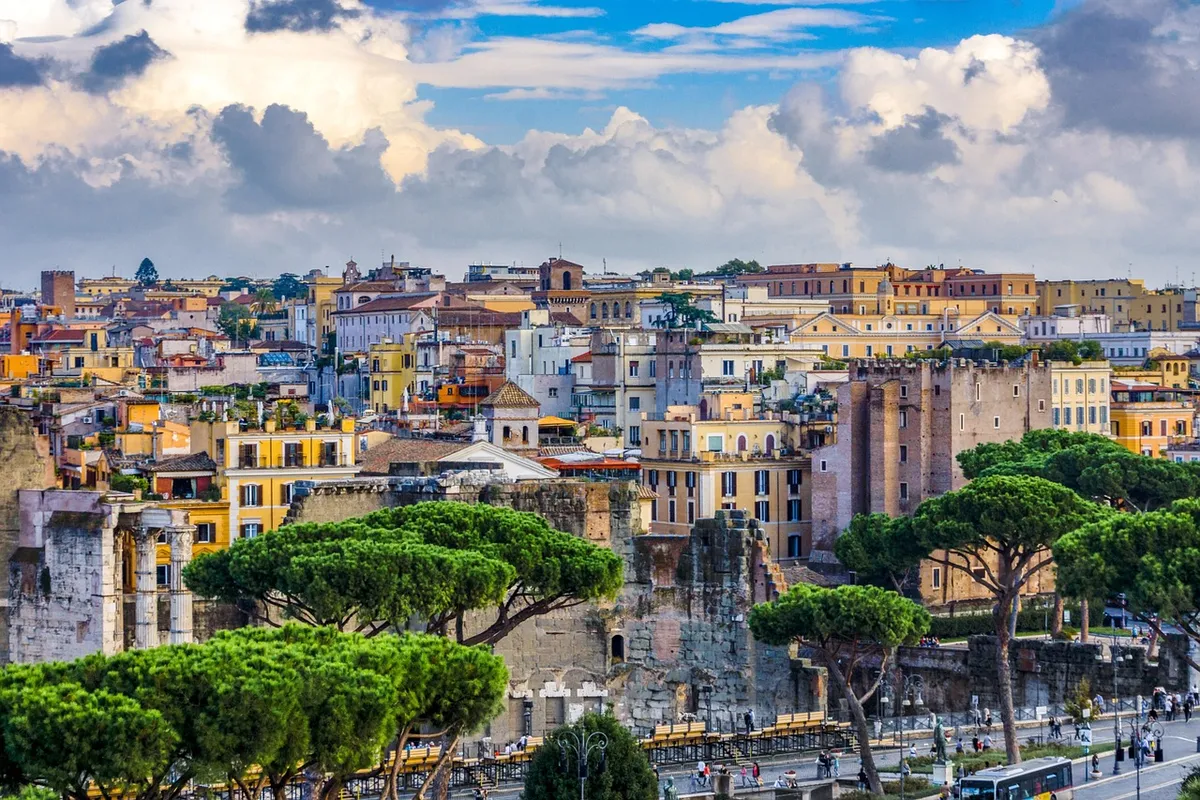
By aligning local policies with these international standards, Italy can lead in the realm of responsible travel. This alignment ensures that growth does not come at the expense of the environment.
How does heritage impact the future of travel?
A photographer adjusts a lens to capture the light hitting an ancient stone wall. The intersection of culture and nature creates a unique landscape that requires careful management.
As UNESCO is increasingly observing, the cultural heritage is needed for tourism, but also endangered by it. This duality means that growth must be managed to prevent the degradation of the very sites that attract visitors.
Effective management involves creating visitor experiences that respect the sanctity of historical sites. This approach helps ensure that the legacy of the land remains intact for future generations.
What are the practical steps for sustainable growth?
A group of hikers follows a marked trail through a dense forest, stepping carefully to avoid disturbing the flora. Implementing sustainable practices requires a coordinated effort across multiple sectors.
- Diversify geographical focus to spread the impact of arrivals across various regions. 2. Invest in eco-friendly infrastructure that supports low-impact visitor activities. 3. Implement educational programs to encourage responsible behavior among travelers.
I observed how these steps could transform a single trail into a sustainable corridor for many years. A final check of local policies must ensure that these actions remain consistent with environmental protection laws.
| Metric | Value |
|---|---|
| Italy 2020 Arrivals | 38,419,000 |
| Potential Loss (2020) | US$0.9–1.2 trillion |
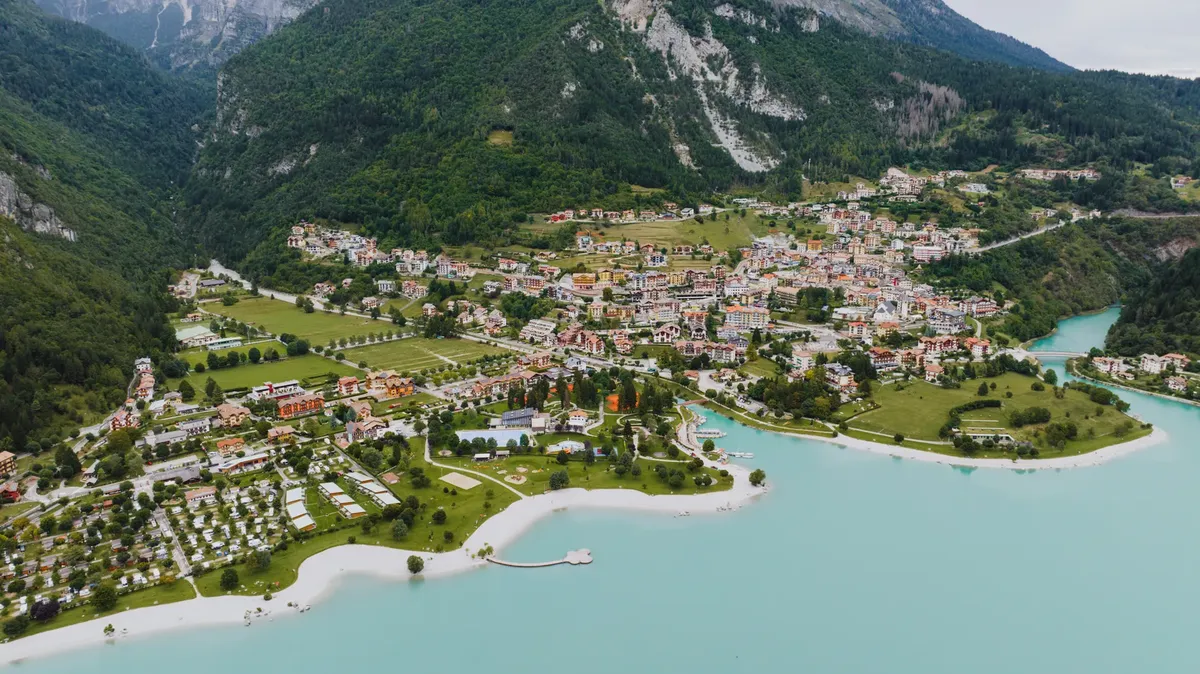
The scope of this analysis is limited to the historical data and global organizational frameworks provided regarding tourism trends and sustainability.
- How will Italy eco tourism growth manifest?
- What are the primary challenges for sustainable tourism Italy?
- How can we address eco tourism challenges Italy?
The subject here is Italy eco tourism future.
This part also covers Italy tourism policy impact.
This part also covers Tourist demand environmental issues.
This part also covers Political factors in eco travel.
Italy tourism policy impact
Related
- How is the current tourism volume affecting Italy?
- Italy winter Olympics travel: how to plan your trip
How does volatility affect the future of Italy eco tourism?
The sensitivity of the industry to global shifts presents a significant hurdle for the future of Italy eco tourism. The substantial drop in international arrivals in 2020 shows how quickly demand can change.
This instability necessitates a strategy that can withstand sudden declines in visitor numbers.
Maintaining the integrity of the natural and cultural landscapes requires a resilient tourism model. Decentralizing the focus across different regions helps mitigate the risk associated with concentrated visitor traffic in popular spots.
This diversification supports the long-term viability of the future of Italy eco tourism.
What conditions must be met for successful eco tourism in Italy?
Successful eco tourism in Italy depends on aligning local practices with global objectives. The need to prevent the degradation of historical sites must be balanced with the economic benefits derived from tourism. This balance requires careful management of visitor flow and experience design.
Infrastructure improvements supporting eco-friendly transport are a critical condition. Furthermore, educational programs must be in place to ensure travelers adopt responsible behaviors while in Italy. These combined efforts support the transition toward low-impact travel.






Comments 0